This article was originally published in Sommeliers International.
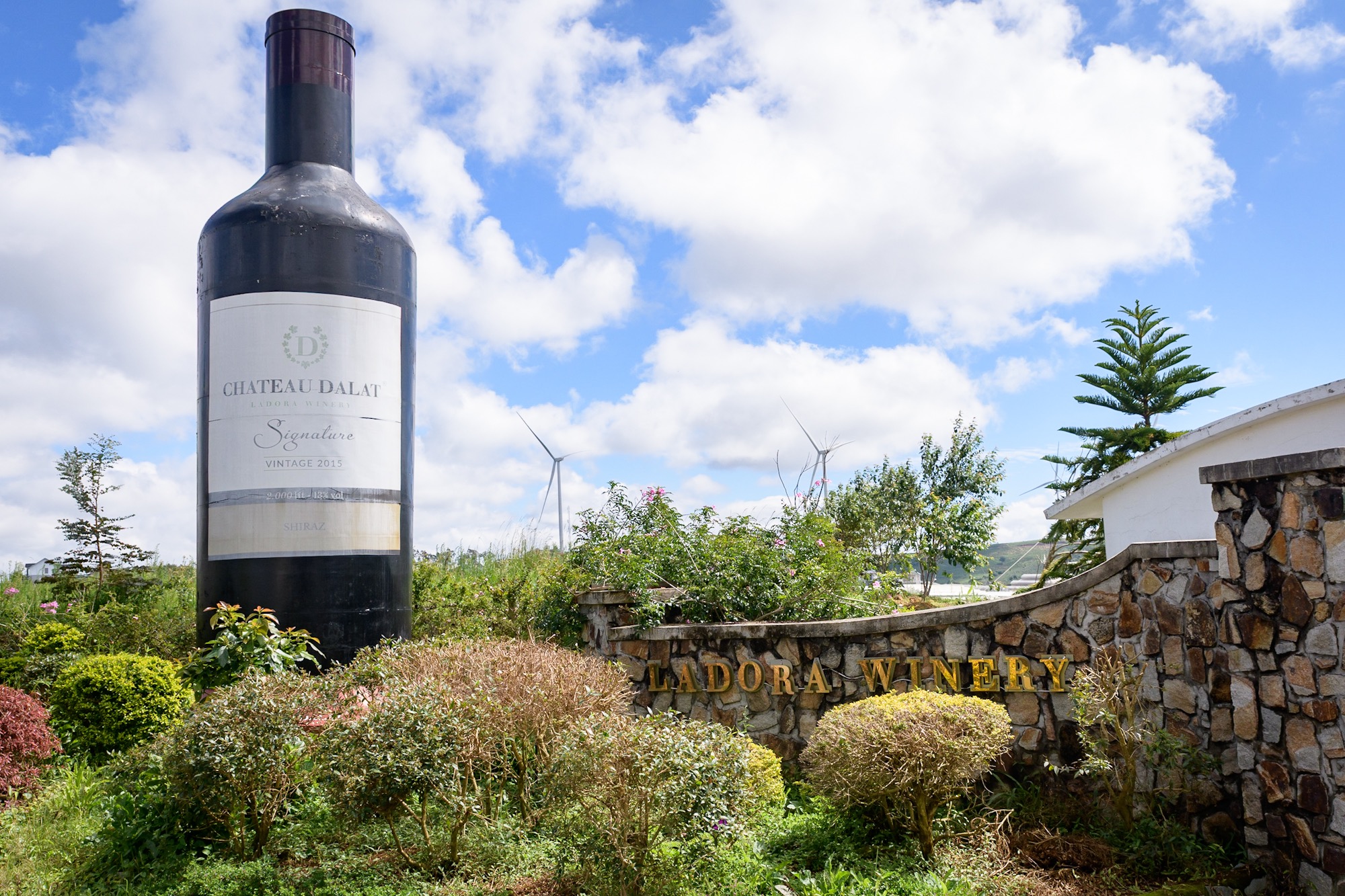
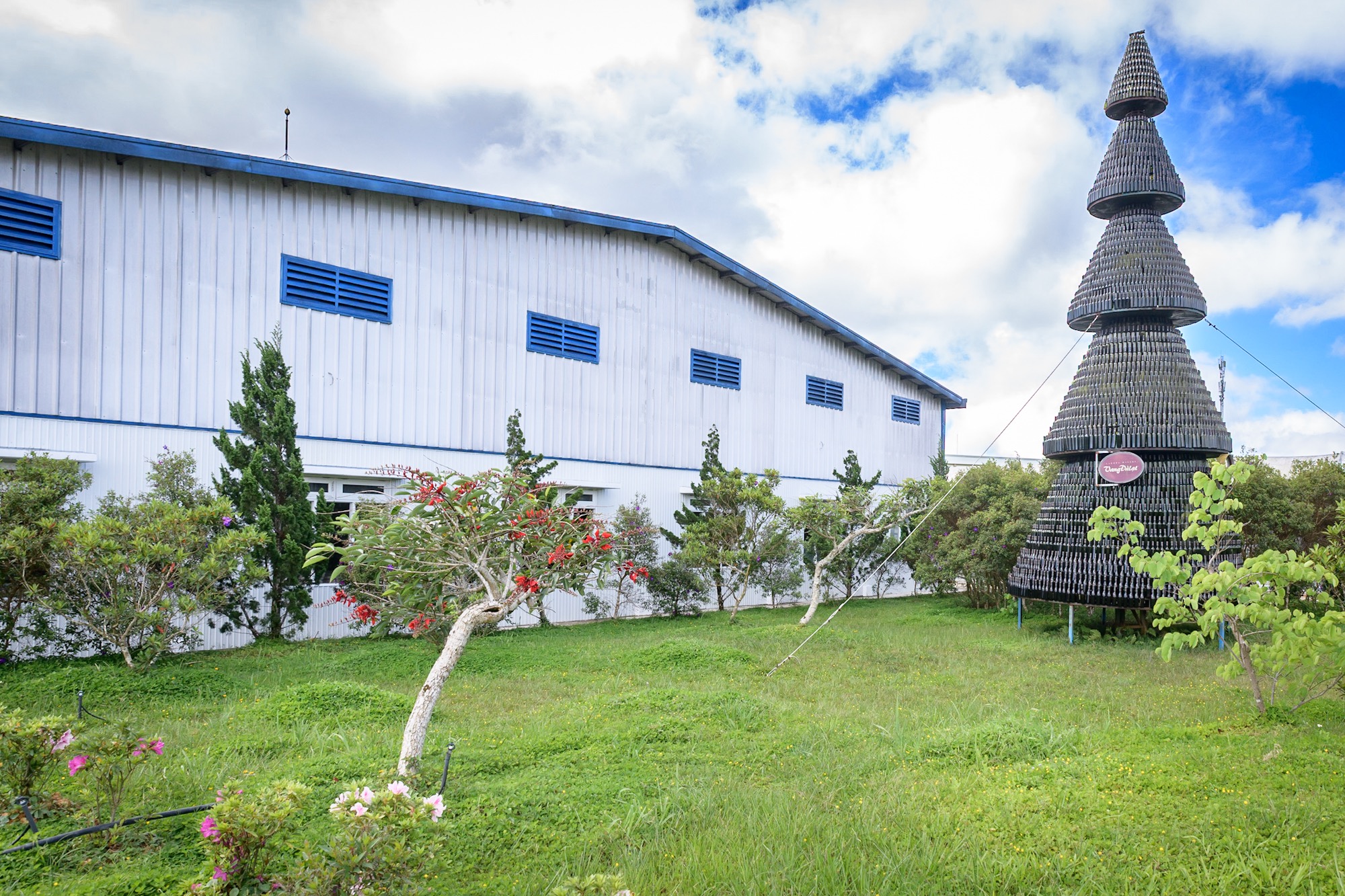
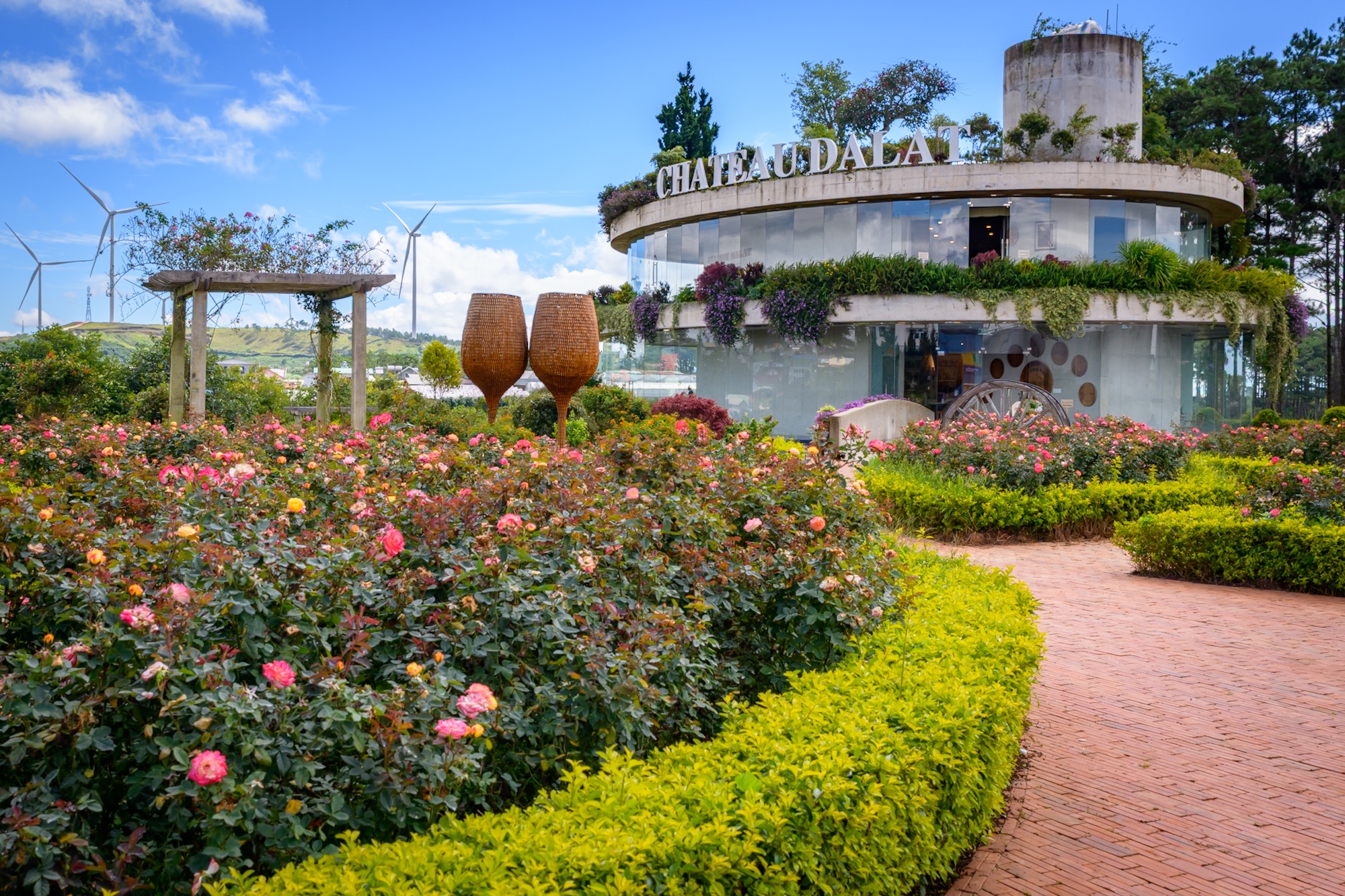
After a long ascent along winding roads to the summit of the Dalat highlands, above the clouds, a rare gem finally comes into view: Ladora Winery, producer of the renowned Château Dalat, the only wine estate that is truly 100% “made in Vietnam”.
In a country where alcohol consumption continues to rise, beer and rice alcohol—often homemade—still dominate. Yet as Vietnam’s middle class expands, wine is increasingly finding its place on Vietnamese tables. This is due in part to its association with social status, but also to its supposed health benefits—an argument that resonates strongly in Vietnam.
In major cities such as Hanoi and Ho Chi Minh City, home to a sizeable expatriate community, wine bars are multiplying and restaurateurs are paying growing attention to their wine lists. There is even a noticeable rise in venues specializing in niche products such as natural and biodynamic wines. In Ho Chi Minh City, the Saigon Sommeliers Association, founded in 2017 by a group of young, passionate Vietnamese sommeliers, works to share wine knowledge and professionalize the trade. In 2022, the association was officially recognized by the International Sommelier Association (ASI) as the only official sommelier association in Vietnam—an important milestone in the country’s developing wine culture.
The expansion of wine consumption nevertheless faces a major obstacle, common throughout Southeast Asia: import taxes on alcohol are so high that foreign wines remain largely reserved for affluent consumers. A basic bottle of French, Chilean, or Australian table wine typically costs at least ten euros in shops, often three to four times its original price. A more affordable alternative comes in the form of so‑called “Vietnam wines,” which are in fact either South American wines (from Chile or Argentina) bottled locally—such as those from the Passion brand, which claims to be the “number one wine brand in Vietnam”—or wines made from Vietnamese grapes blended with pressed fruits like blackberries or strawberries, such as those produced by Dalat Beco.
These far more affordable wines (priced between three and five euros) are often sweet, lacking in complexity, and primarily designed to appeal to Vietnamese consumers who are less familiar with classic wine styles.
This is precisely where Ladora Winery sets itself apart.
Owned by the LadoFoods group (Lamdong Foodstuffs Joint Stock Company), the company—formerly state‑owned—took over in 1990 a facility originally established by the French during the Indochina period: the Lafora estate, which specialized in alcohol production and was abandoned in 1976 following the liberation of Vietnam. In 1998, the company chose to focus on winemaking and began planting vineyards. It was later privatized in 2012, gaining greater autonomy in how it produced its wines.
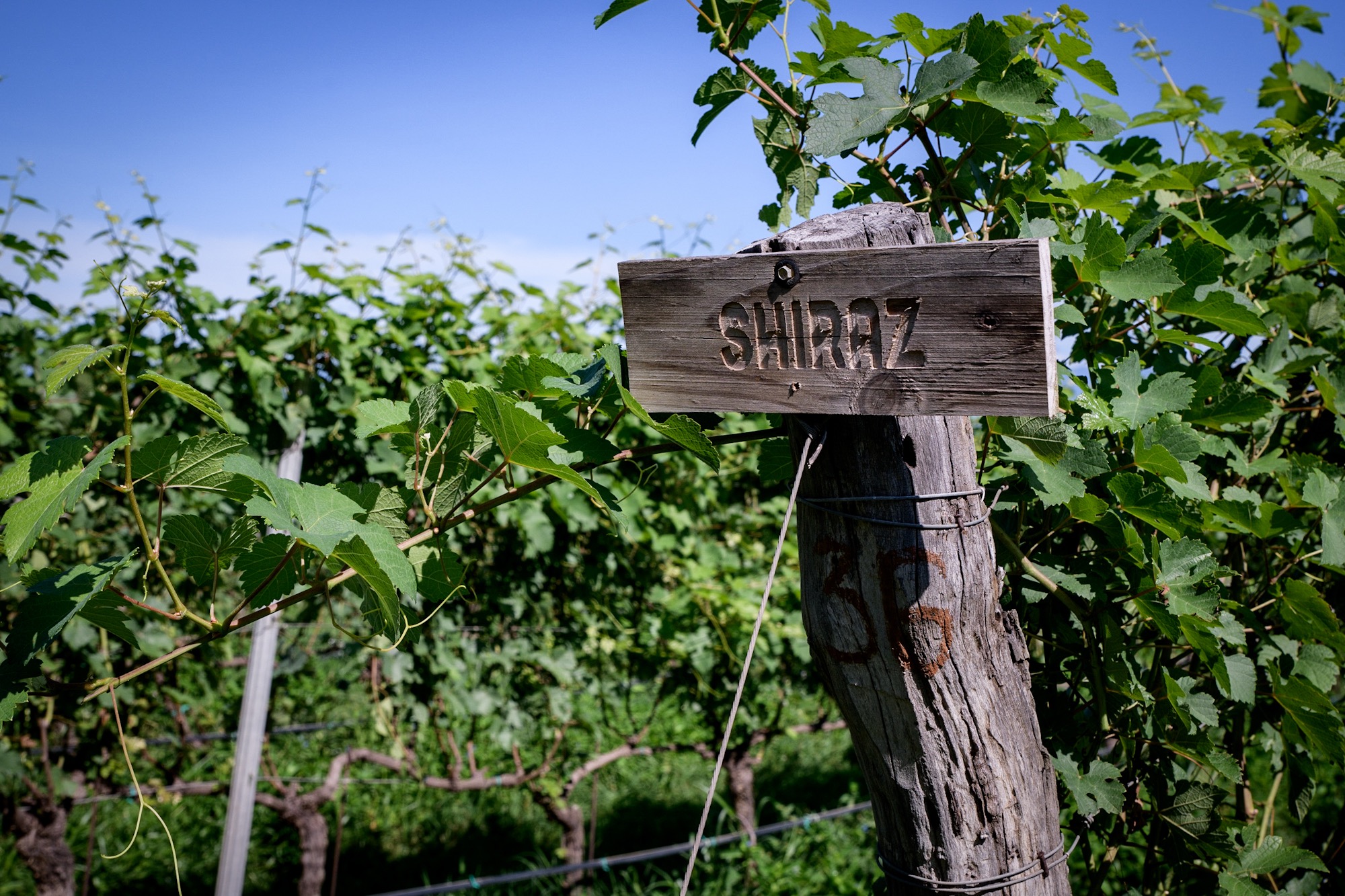
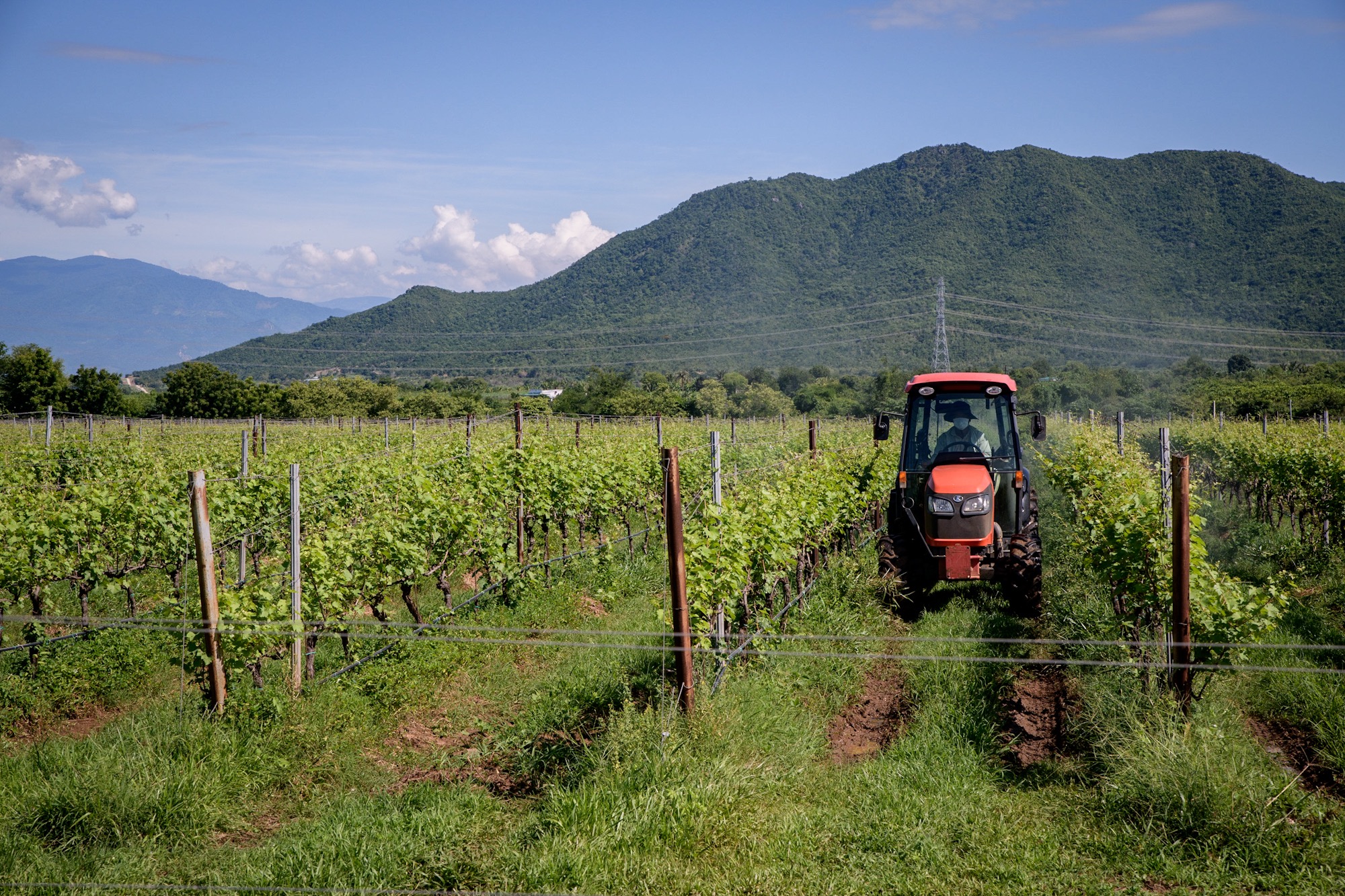
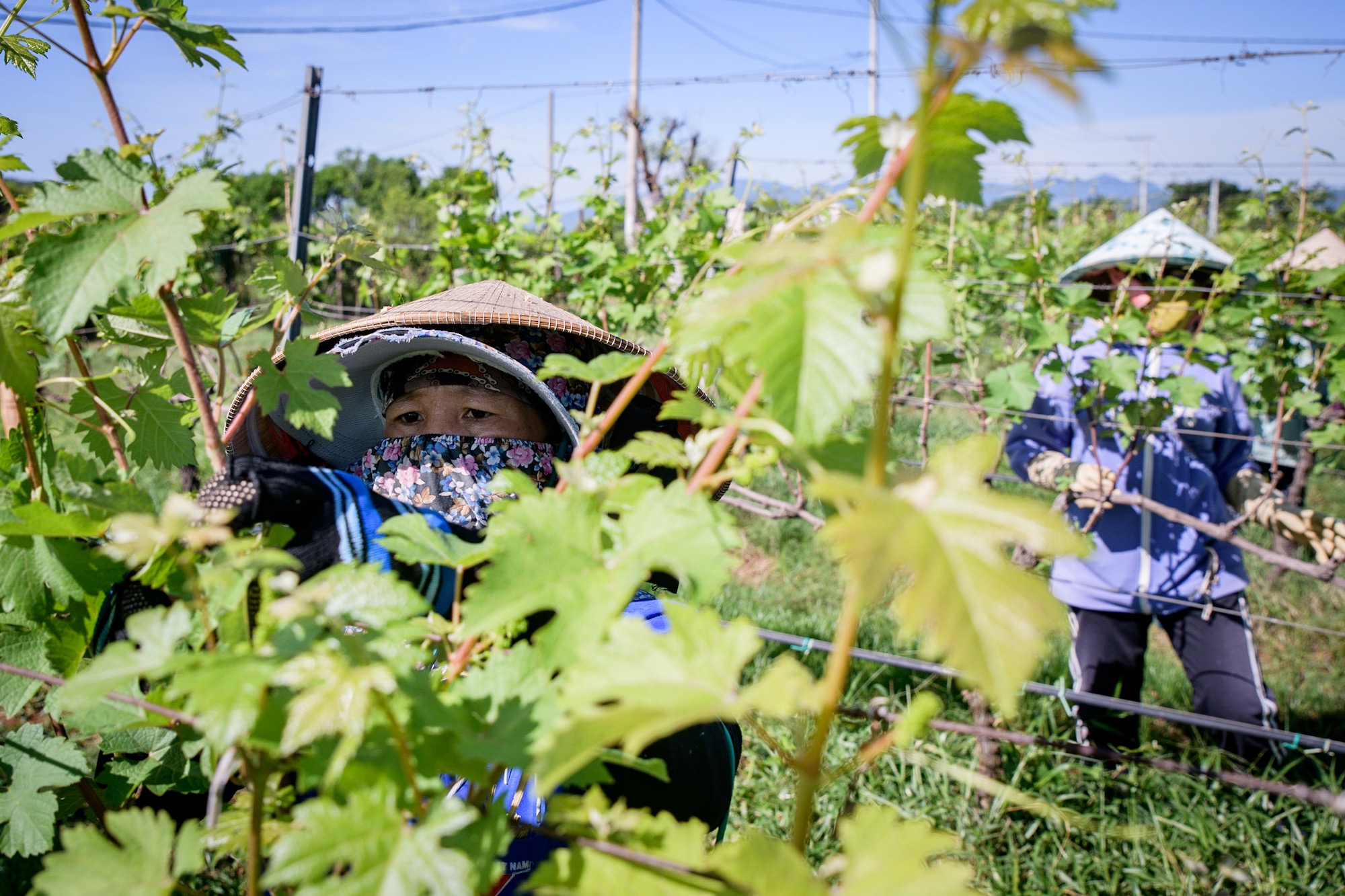
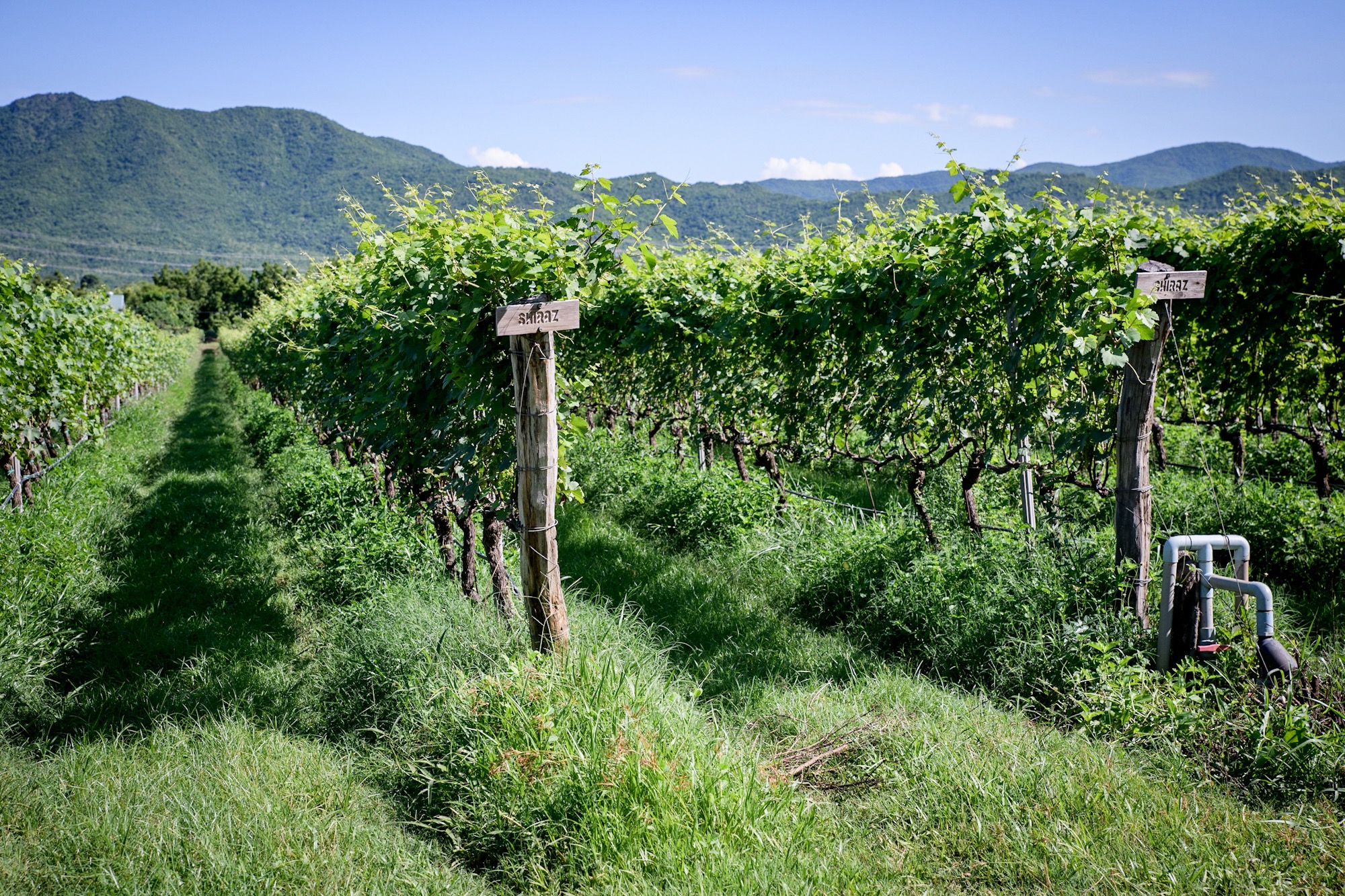
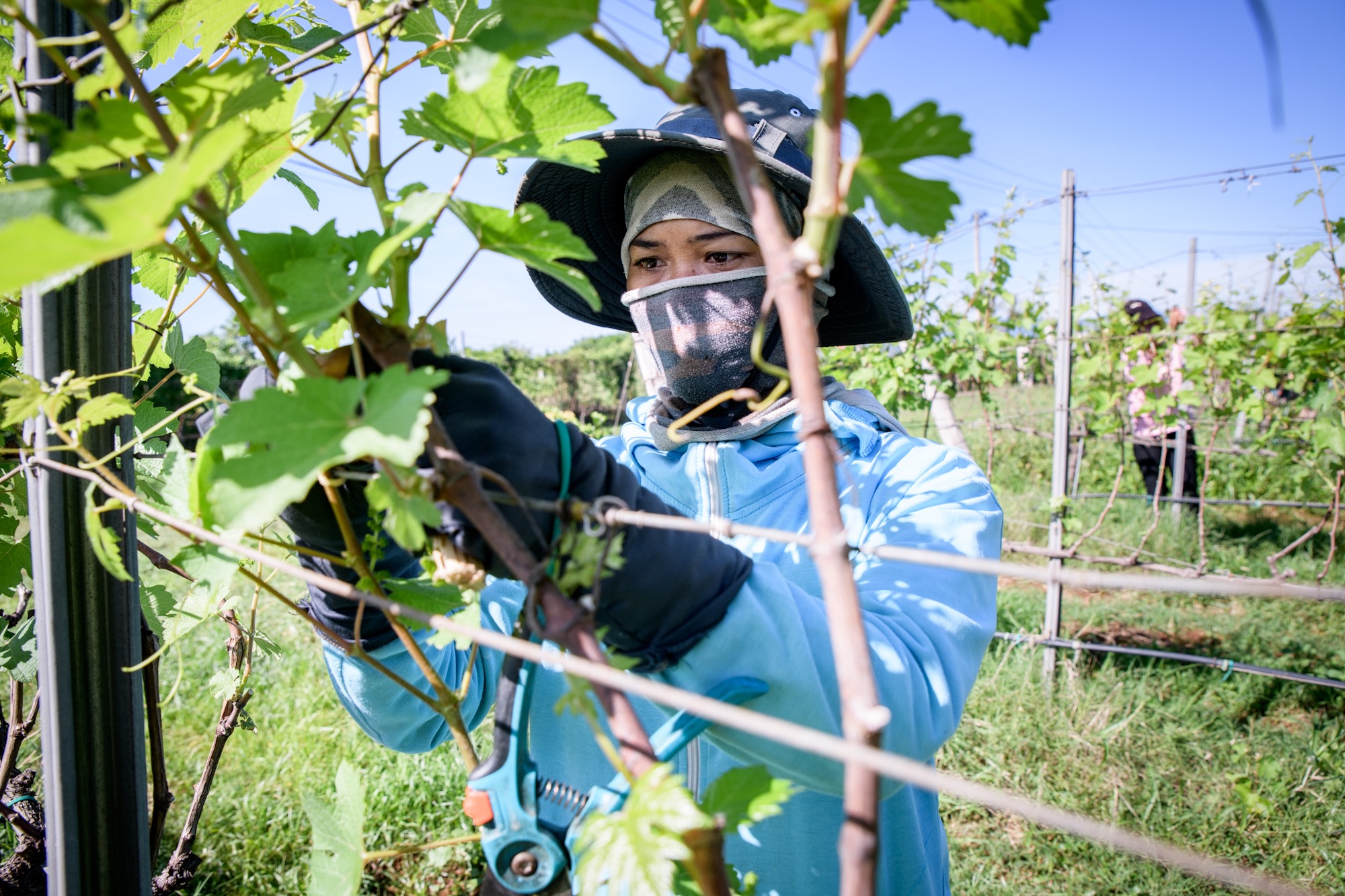
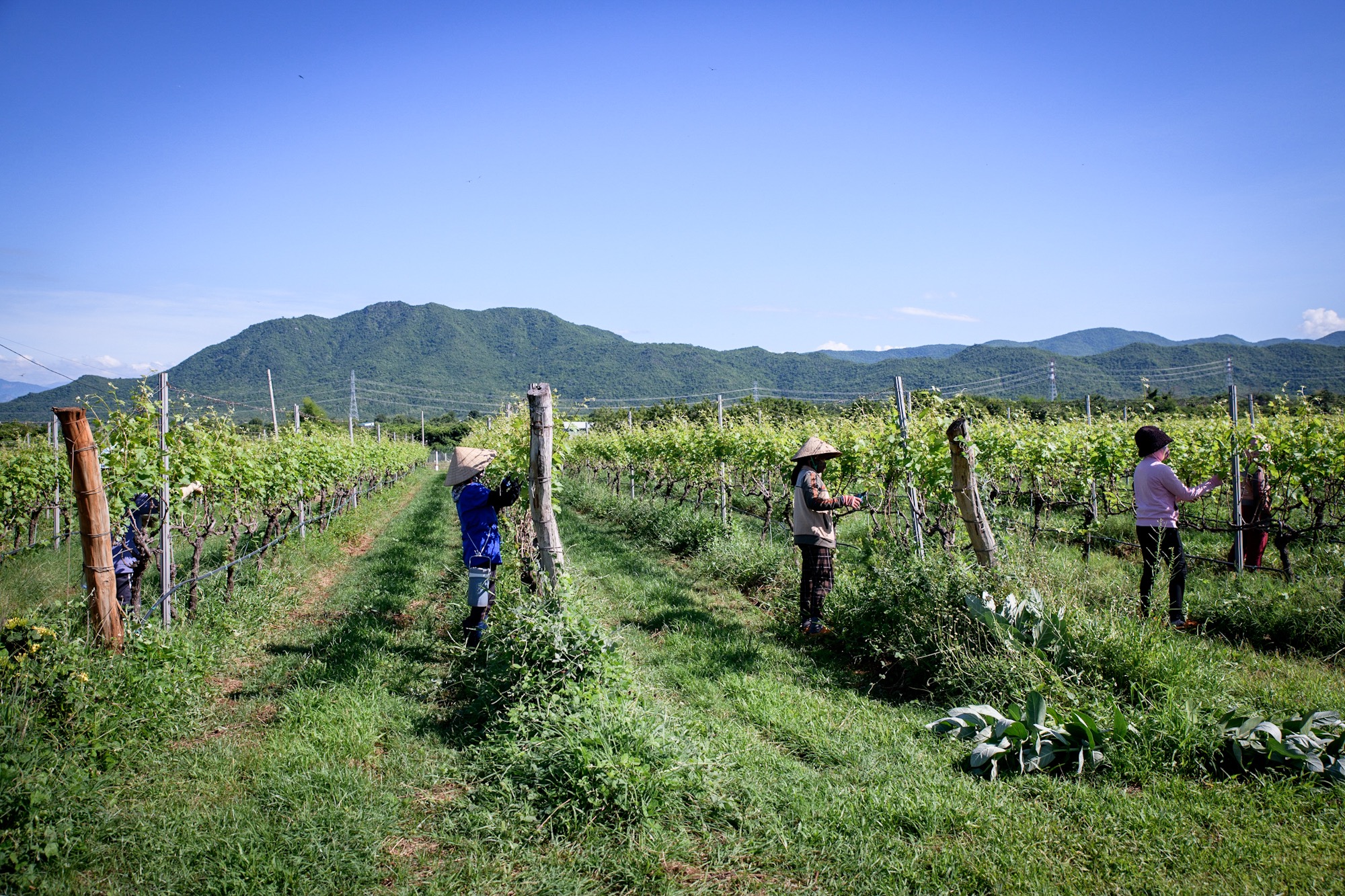
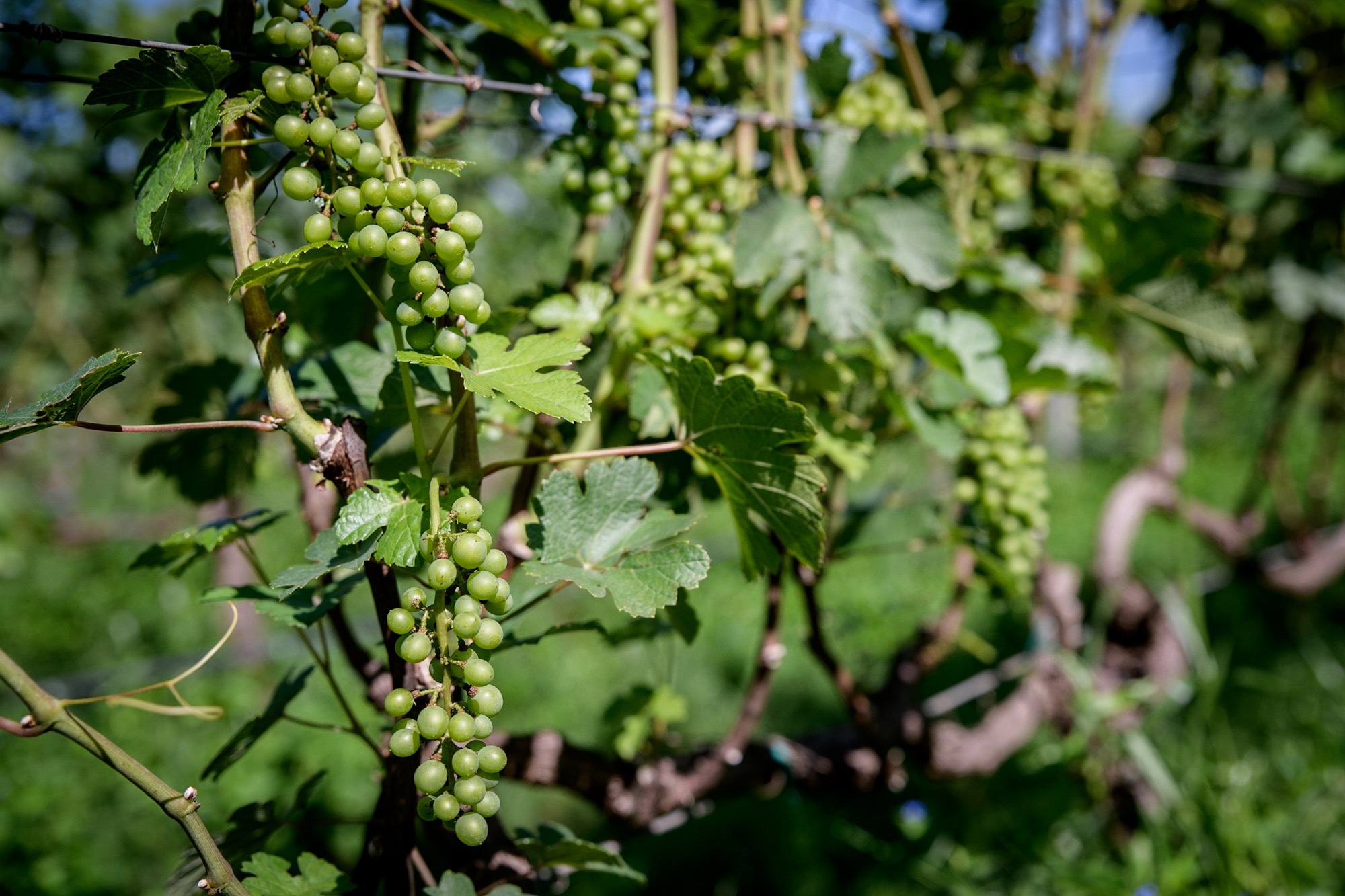
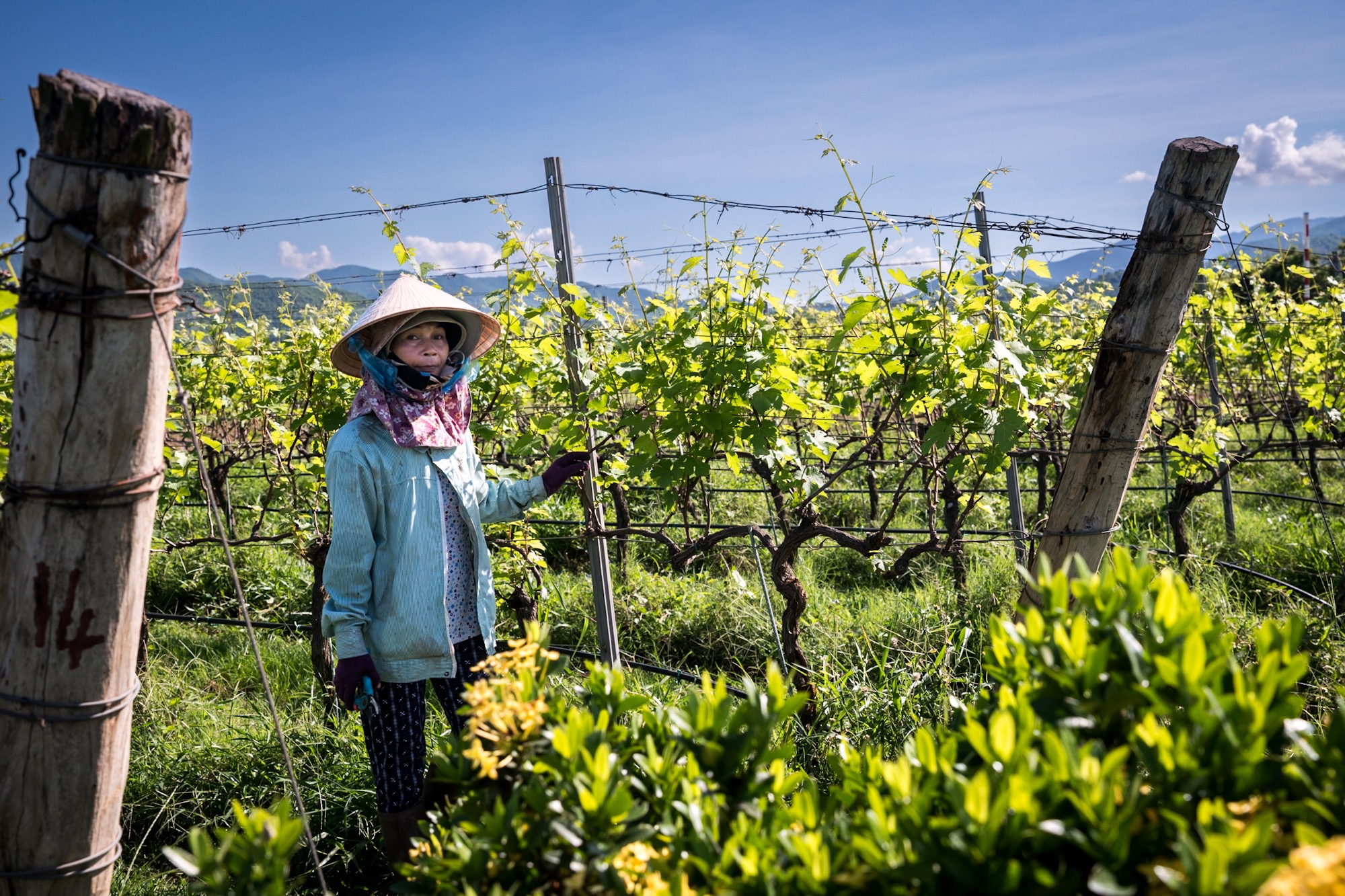
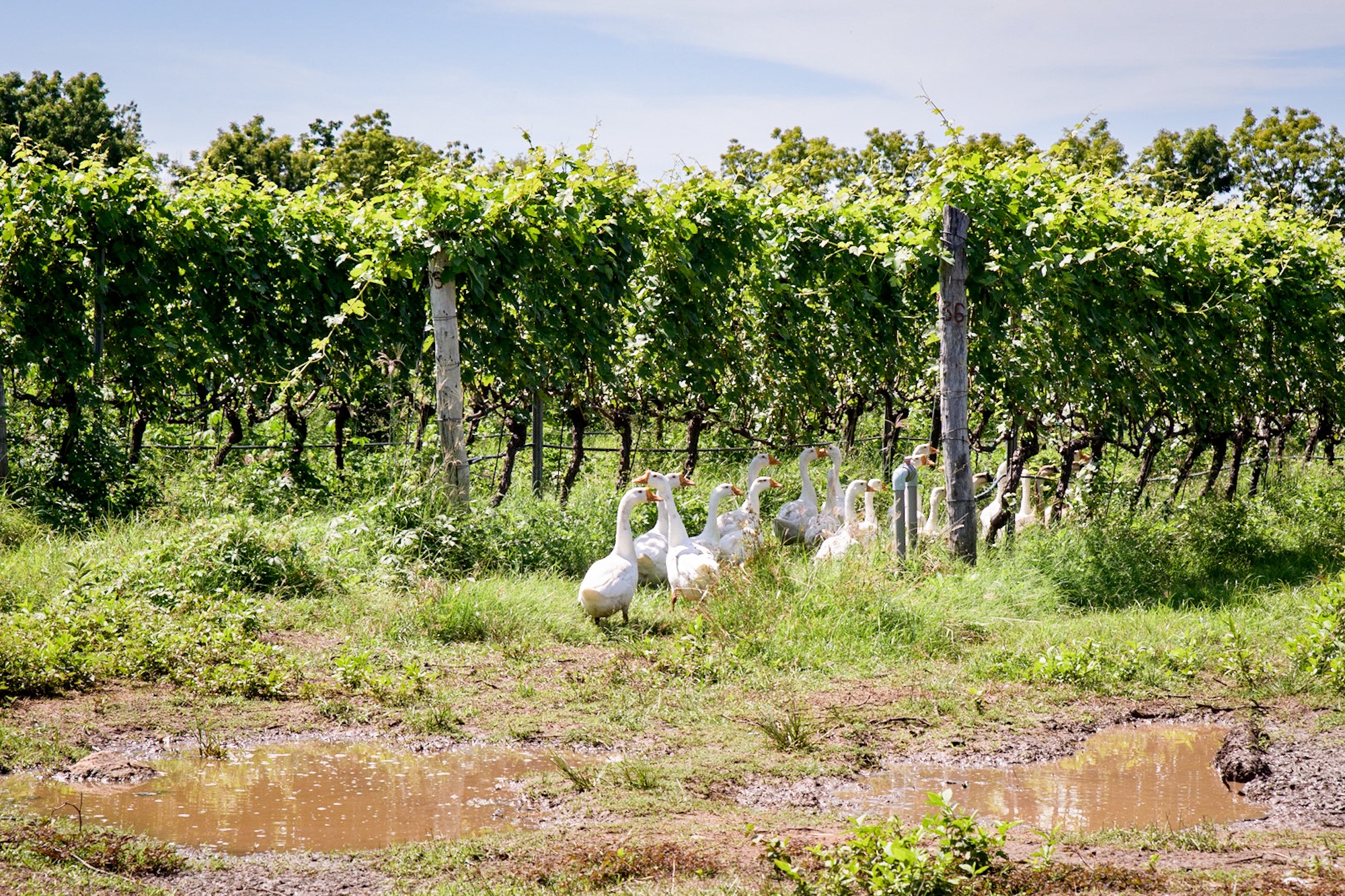
Based in Dalat, in central Vietnam, the winery benefits from a mountainous climate well suited to agriculture and winemaking, with average temperatures ranging from 16 to 20 degrees Celsius year‑round. The region, however, is too humid for producing high‑quality grapes. As a result, Ladora Winery’s 25 hectares of vineyards are located three hours away, in the coastal province of Ninh Thuan, which is significantly hotter and drier, with clay‑ and sand‑rich soils. This region, close to the South China Sea, is home to all of Vietnam’s grape plantations. While most producers focus on table grapes grown on pergolas, Ladora Winery has concentrated its efforts on cultivating quality grape varieties—mainly Shiraz, Cabernet Sauvignon, and Merlot, as well as Sauvignon Blanc and Chardonnay. Cardinal grapes are also grown; although considered table grapes elsewhere in the world, they are widely used for winemaking in Vietnam and Thailand.
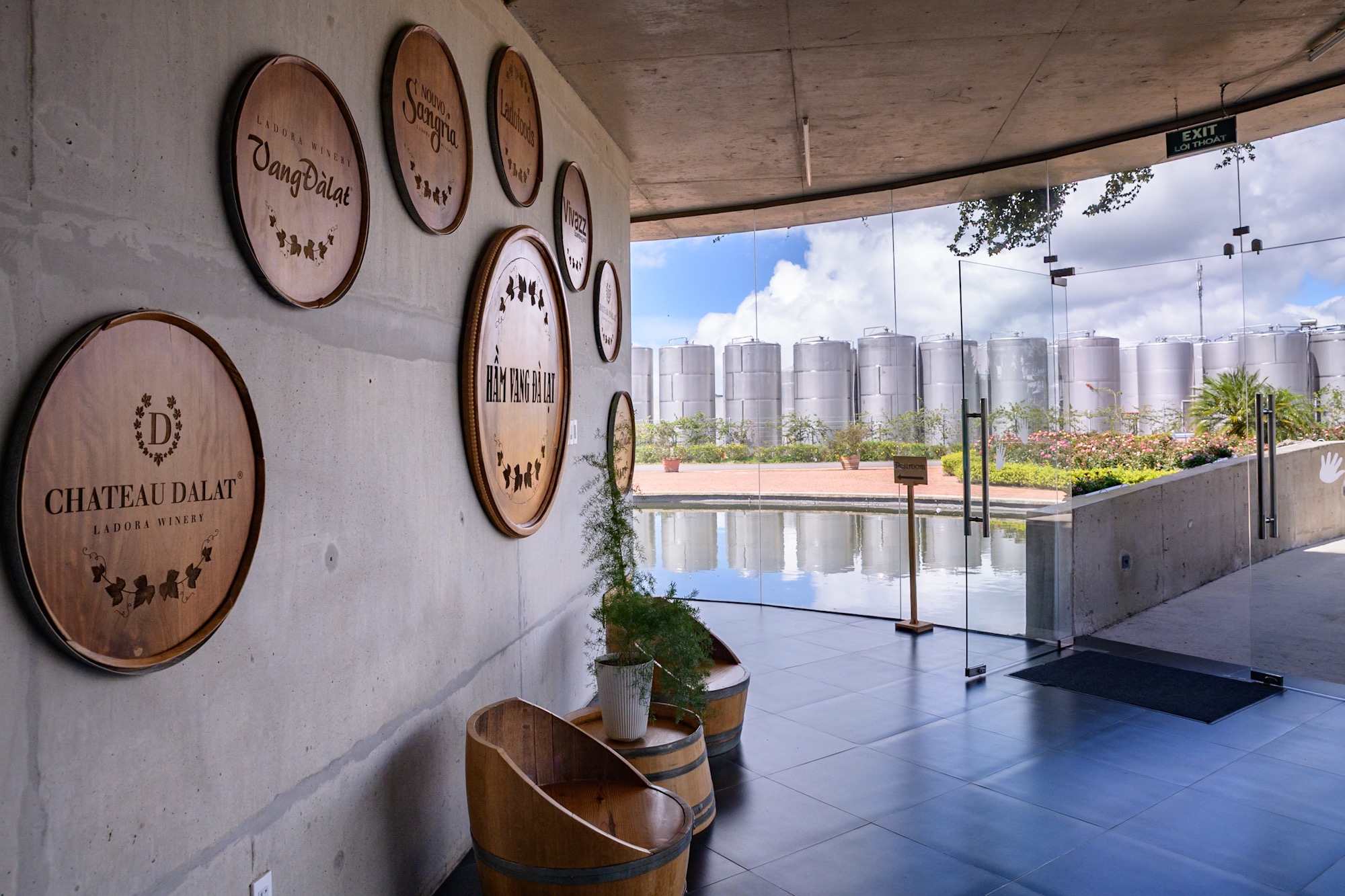
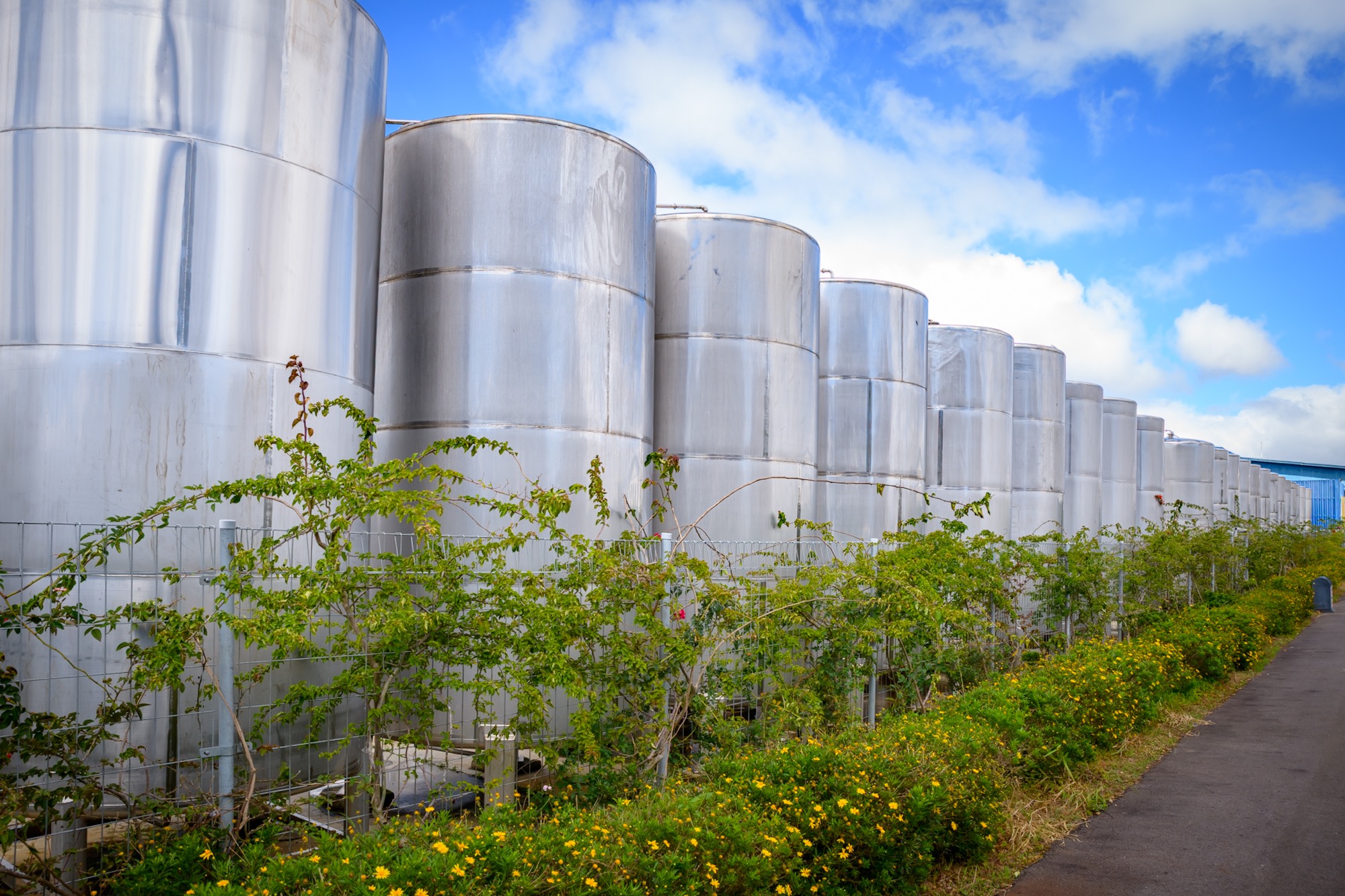
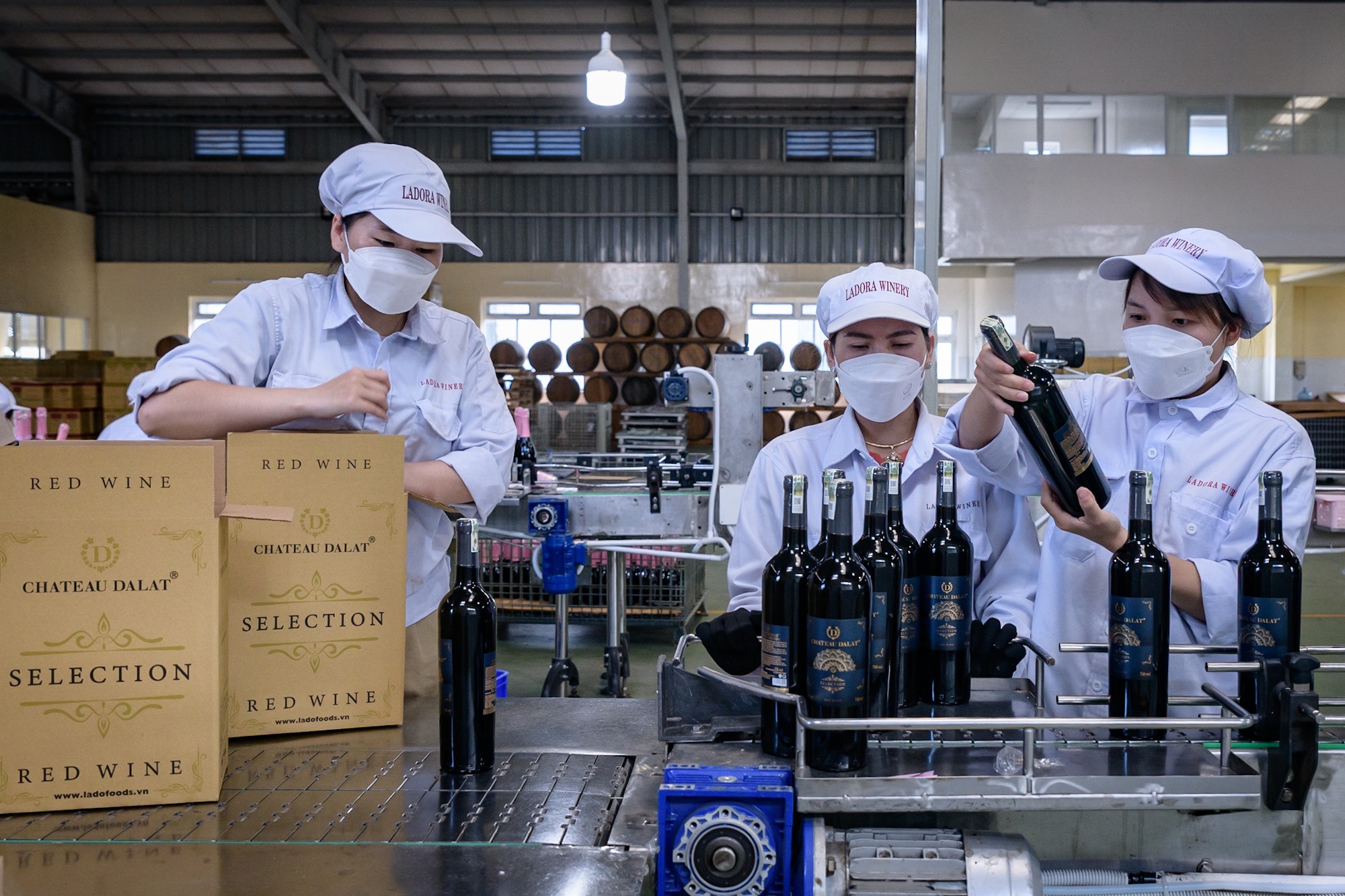
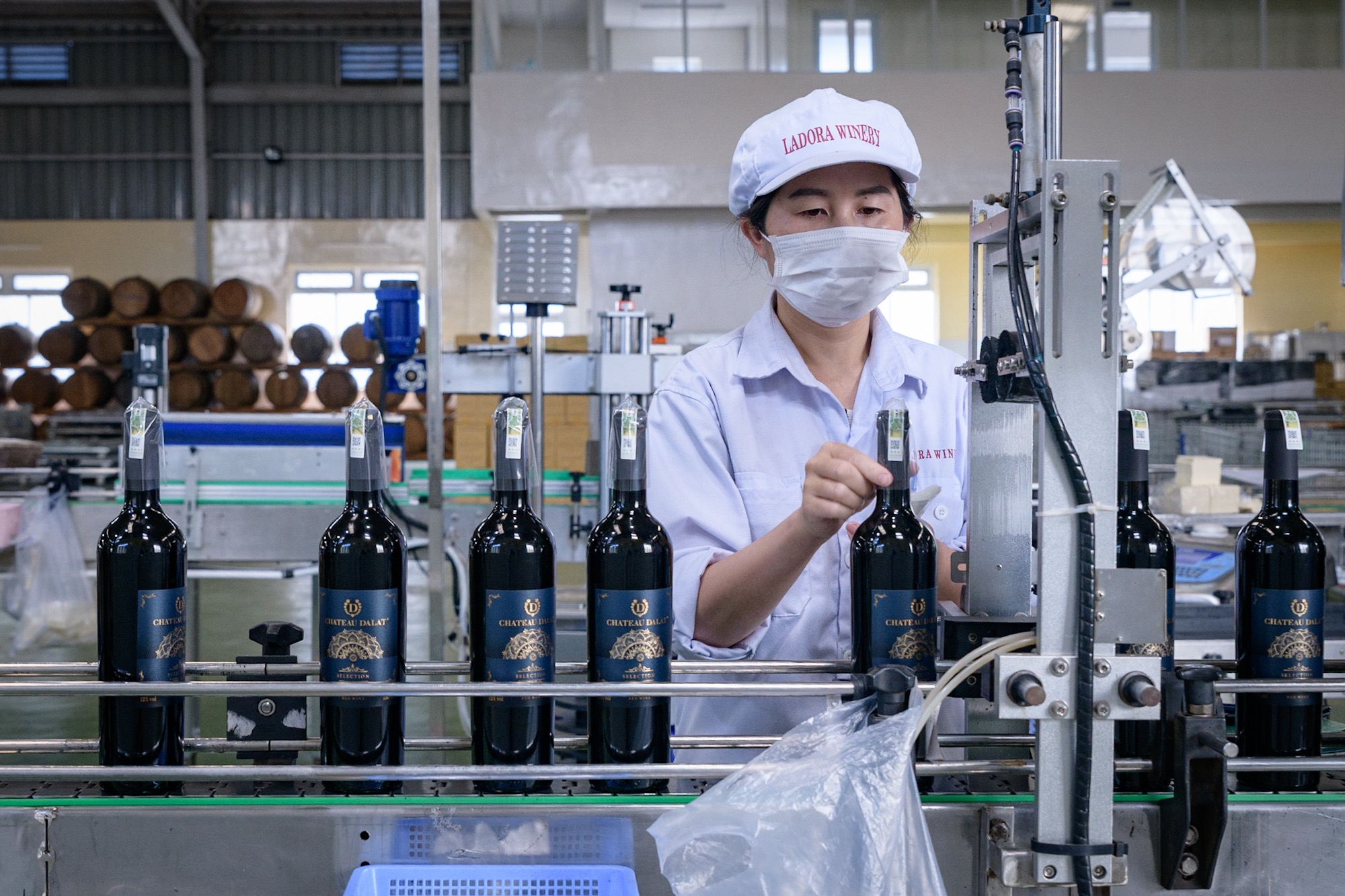
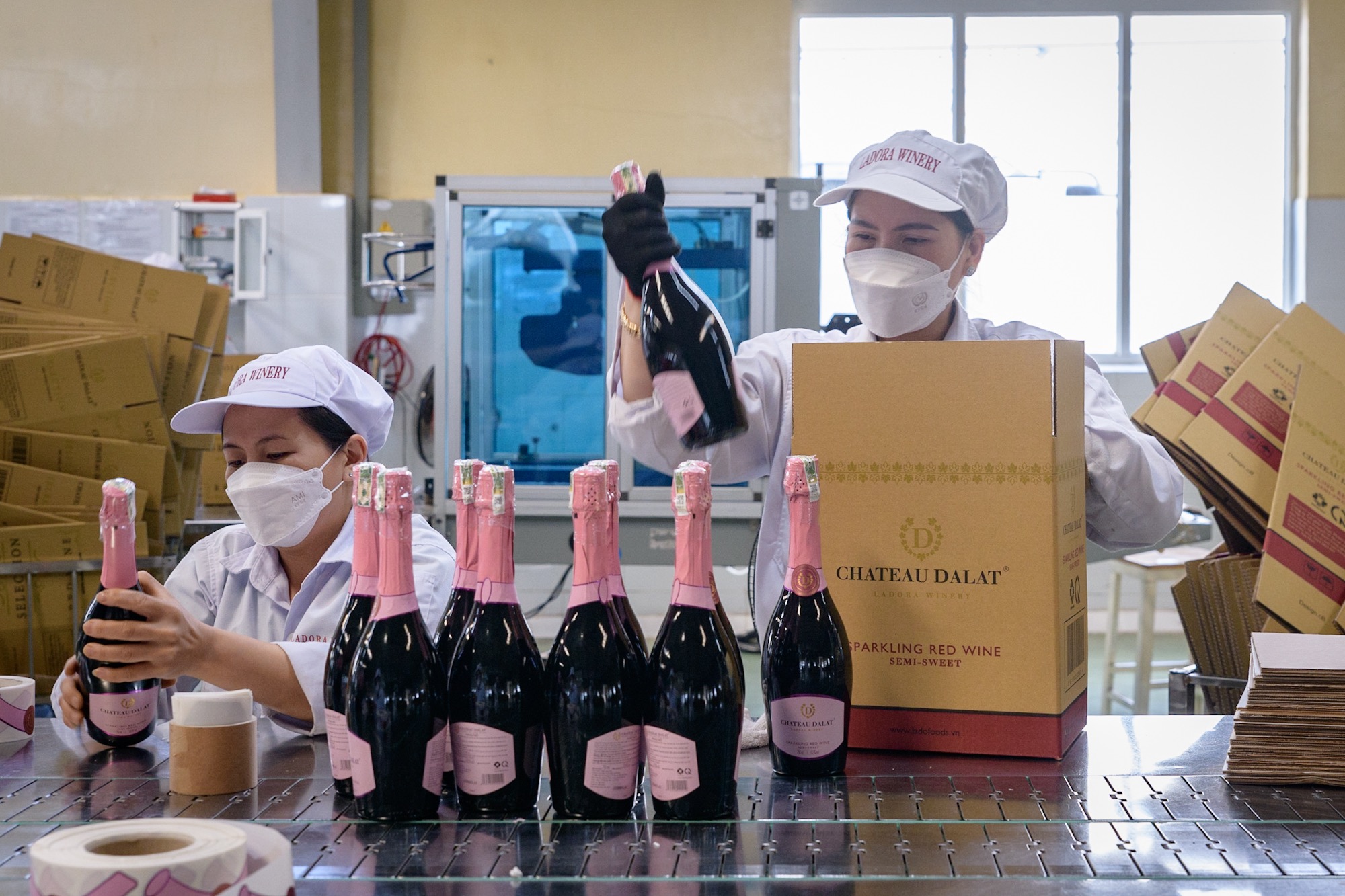
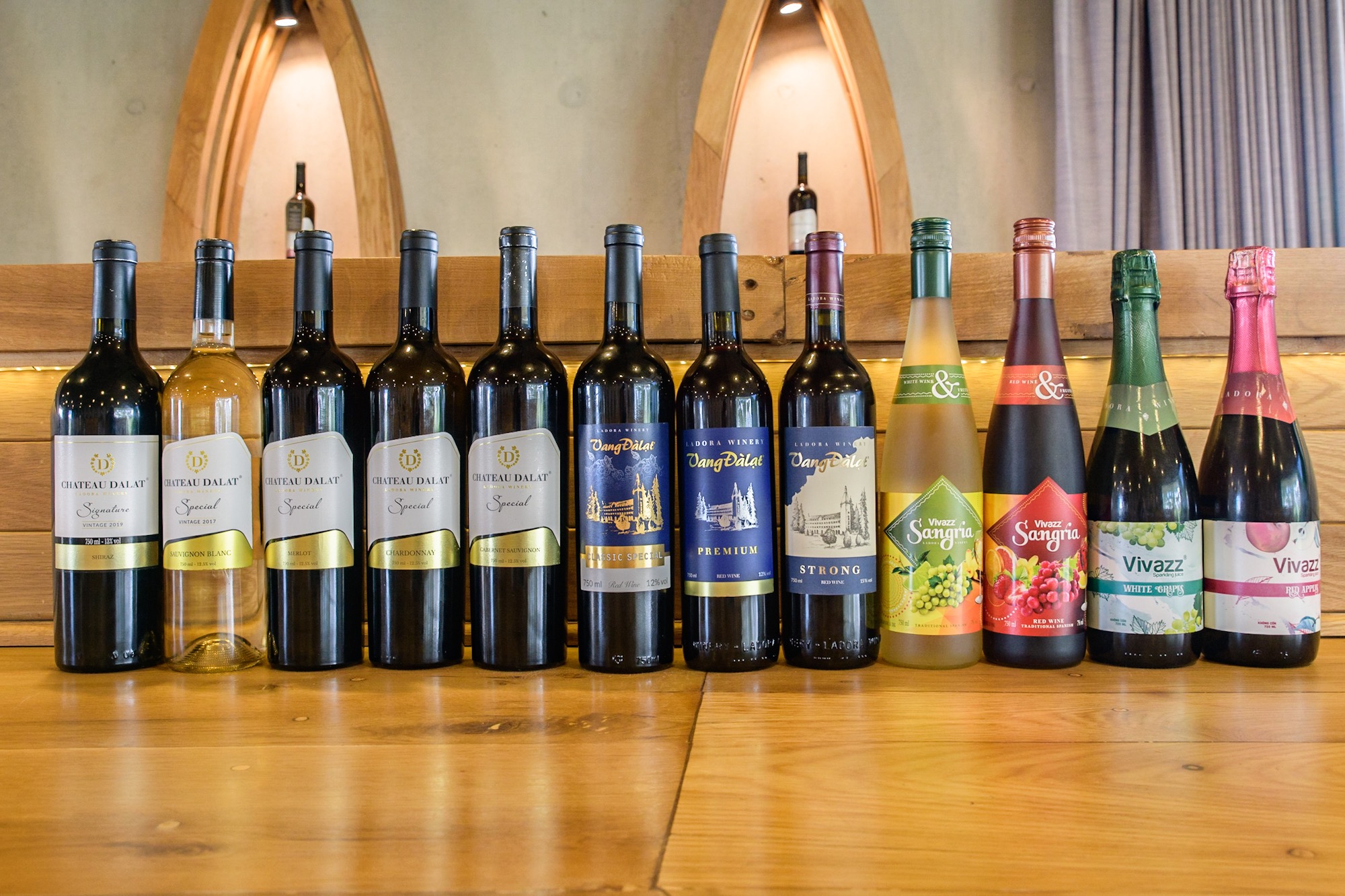
Ladora Winery offers a broad range of beverages, including mass‑market products such as sweet wines, sangrias, and sparkling wines. It truly stands out, however, for its premium range, produced using European methods and state‑of‑the‑art equipment for viticulture, vinification, and bottling: Château Dalat, the first classic wine brand made in Vietnam. While 60% of production is destined for the domestic market and 40% is exported—mainly within Asia—the winery’s commitment to quality has been rewarded. The 2015 vintage of Château Dalat Signature Shiraz won a gold medal at the San Francisco International Wine & Spirit Competition in 2016, and Château Dalat was selected as the official wine of the APEC (Asia‑Pacific Economic Cooperation) summits in 2007 and 2017.
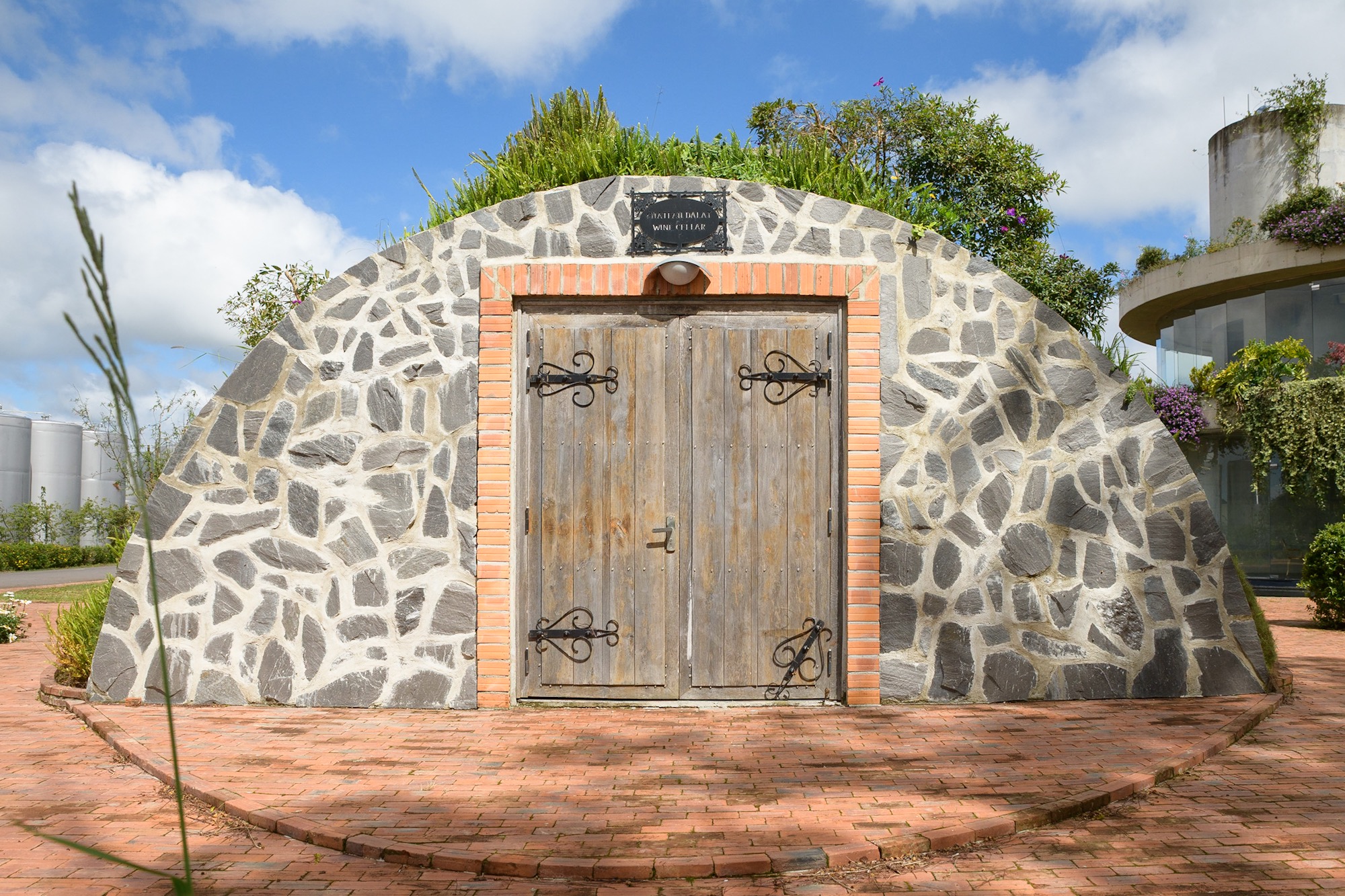
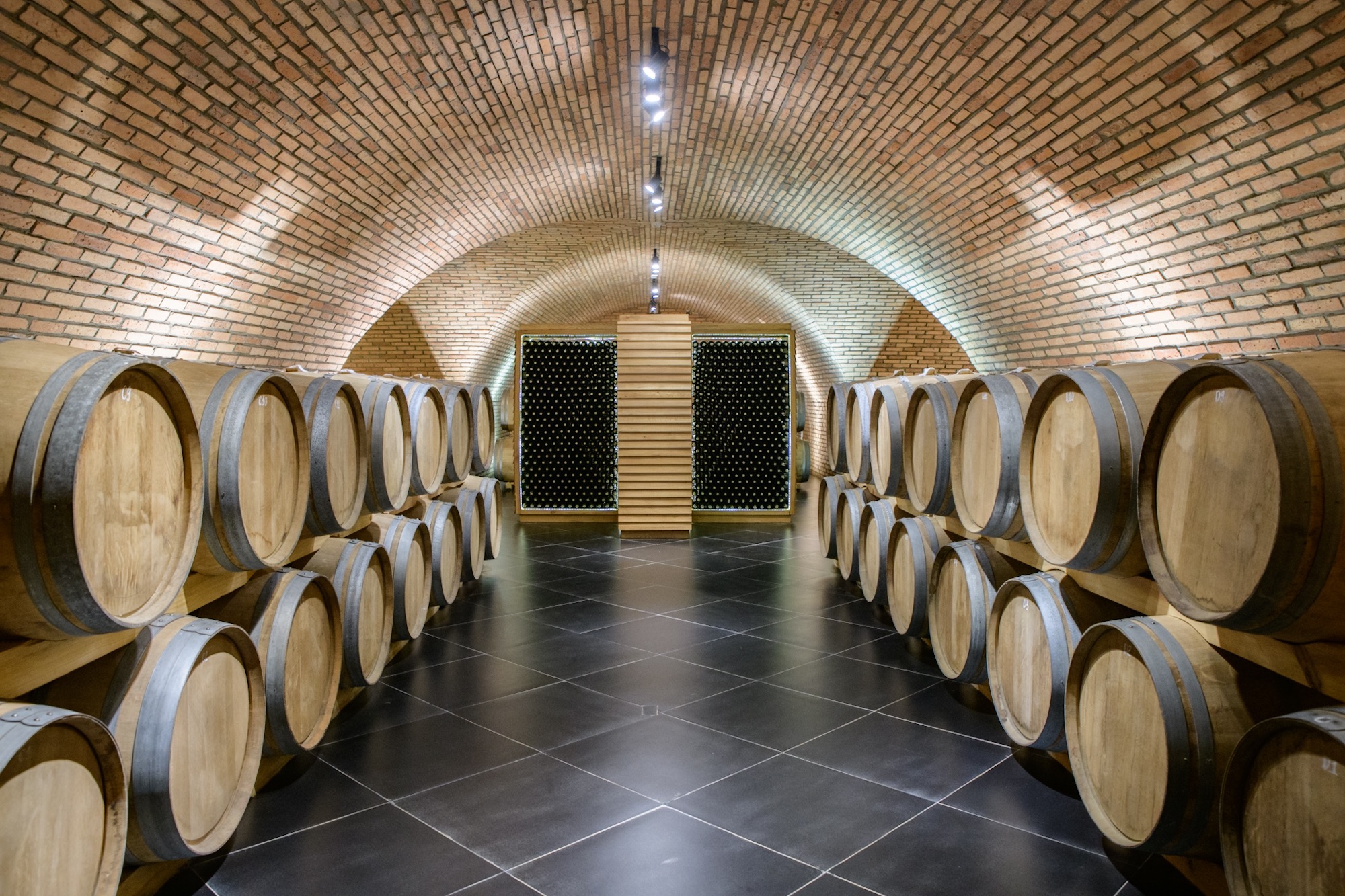
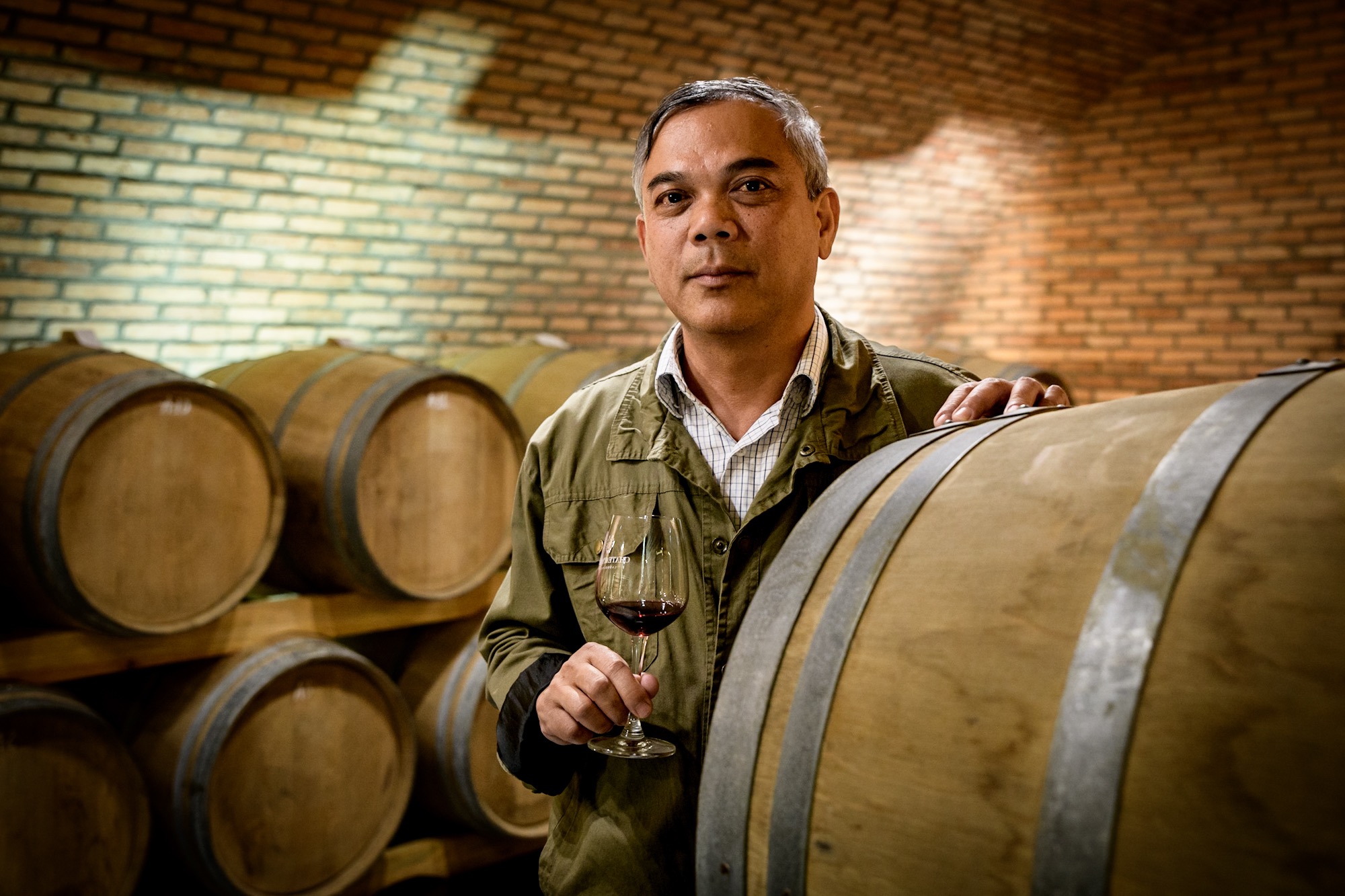
It is in the magnificent Château Dalat cellar, among the oak barrels essential to crafting the wines of the estate, that we are welcomed by the head winemaker, Le Duc Binh. He has worked for LadoFoods for forty years and spent two years in France, in the Angers region. A great admirer of French wines, he takes clear pride in being able to produce high‑quality wines in Vietnam. While the entire Château Dalat range stands well above the average of Vietnamese wines, the 2019 Sauvignon Blanc is particularly remarkable – mineral, fruity, and delicate. It would undoubtedly surprise many wine lovers in a blind tasting.
When presenting his range, he readily acknowledges the richness and complexity of the high‑end Signature and Special series, yet he admits a particular affection for one of their entry‑level wines, Vang Dalat Premium, made entirely from Cardinal grapes. “This one is truly unique to Vietnam,” he says. “It will certainly surprise foreign wine lovers, but it represents our terroir and our culture.” And is this not where the magic of wine culture lies, worldwide? That each country, each culture, can offer a wine that carries its own colors and character, even if it does not appeal to the greatest number?
Vietnam’s wine adventure is still in its early stages, but the potential is unmistakable—and this is a region of the world well worth watching, as it is far from finished surprising us.