
A Caribbean Rhum with a Vietnamese Soul
The country of Vietnam is little known for its high-end drinks, but its dining and bar scene is evolving very fast and the country is now home to great mixologists and locally made spirits attracting worldwide attention. Today, we are paying a visit to the Rhum Belami distillery in Ho Chi Minh City, where we get to meet the founder of the first Rhum 100% made in Vietnam.

This article was first published in Livets Goda’s Whisky & Bourbon.

His eyes shine as he takes a whiff of the nectar slowly extracting from the still, his whole body exuding an excitement he’s unable to conceal.
“Oh, this batch is going to be incredible,” he beams. “Can you smell this? Come on, smell this. There’s praline in there! It’s just incredible.“


It is always refreshing to be around makers who still get excited by their craft on the daily, and Roddy, the 33-year-old founder of Rhum Belami, definitely belongs to that category. Once he starts talking about his Rhum, it’s as if a light turned on and his hands start dancing in the air while he tells you all about it.
Roddy Battajon, of French and Italian descent and a native of Martinique in the French West Indies, grew up surrounded by the smell of Rhum and the joie de vivre that comes with it. Even his grandmother made her own rhum at home, “one that wasn’t for the faint of heart,” he chuckles. “She’d probably think of my Rhum as some spicy fruit juice.“

With a solid background in mixology and the F&B industry, Roddy moved to Vietnam in 2015, diving headfirst into the golden years of the country’s transforming dining and drinking scene. After successfully managing a couple of restaurants and bars, he realized there was a serious lack of quality spirits in the city, a glaring gap in the market.
“I’m from The Caribbean, and I see sugar cane at every street corner – while a decent glass of rhum is nowhere to be found. So, I spoke with my wife, and together we decided to give this adventure a go…“
The talented Juyee Chen, originally from Taiwan with a background in biology, has been a strong ally for Roddy in founding the first-ever brand of Rhum made in Vietnam, no easy task for the couple in a country that was not their own.
The couple had to navigate the maze of constantly changing regulations, obtain the necessary licenses, and ensure that each step of the distillation process met strict safety requirements. A couple of months ago, the government also drastically increased taxes on spirits, and even though this was mostly intended to hit imports, Belami which is produced locally was not spared. «They’re really not making things easy, but we adapt and carry on! », Roddy laughs.

The rhum was named after the novel by Guy de Maupassant, whose main character strives to climb the social ladder—something that closely mirrors Roddy’s own journey. He set out to create a rum that reflects both his multicultural roots and the spirit of the place where he chose to settle and start a family.
At all times, Roddy keeps in mind the original goal of the project: to offer something different and of the highest quality. He decided right away that his rhum would follow the Rhum Agricole recipe, made from fresh sugar cane juice instead of molasses, the residual byproduct from sugarcane during sugar production, used in most mass-produced rums.
To make the best rhum possible, the careful selection of sugarcane is paramount. It is not widely known, but for the cane, terroir is as important as it is for grapes in winemaking. The soil needs to be rich, well-drained, with regular rains and a tropical climate. The wild yeast may capture some of the ambient aromas, so the environment is also of importance. Besides, the sugarcane must be cut at a very specific time so that its juice will contain the most sugar and flavour, and it must be brought to fermentation as fast as possible to retain all its aromatic qualities.
Roddy traveled extensively throughout the country, searching for the ideal terroir and sugarcane. Initially, he had set his mind on a beautiful black cane cultivated in the Long Anh plantations, but he has now switched to an exceptional Vietnamese sugarcane variety from the Ben Tre region, in the heart of the Mekong Delta, the ROC16, with a BRIX (an indicator of the sucrose content that will feed fermentation) reaching up to 24.4! He can’t help but smile when he opens the fermentation tank and sees the precious cane juice bubbling after only one night.

All Belami Rhums are the fruit of a long fermentation. Following the Jamaican method, the sugarcane juice stays in tanks for a whole month, with a mix of wild and conventional yeast, as well as about 10% of dunder fermented for 6 months after previous distillations.
This helps unravel the rare oils and subtle aromas under the attentive supervision of Roddy, who watches over the bacteriological balance and the pH of the mash.
After 30 days of fermentation, it is time for the magic to take place: the distillation, skilfully orchestrated by Roddy. The Belami distillery is now equipped with a beautiful modern column still, with temperature control display and a fancy gin basket. However, Roddy gets emotional when he shows his first homemade still in a corner of the distillery, the one that regularly sent him painful electric shocks because it wasn’t grounded, and whose output was so low that during distillation time, he had to camp on-site to empty and refill it at regular intervals throughout the night. It is now a companion, witness to his arduous but exciting beginnings.

After the distillation, some of the rhum will go straight to bottling and some will be sent to quietly age in barrels, some of them specially prepared for the occasion with a secret combination of local spices and aromas.

One of the perks of being a craft distillery and not belonging to a big corporation is the freedom it confers, and Roddy certainly cherishes that. Belami is constantly evolving, following experimentations and new encounters, and their line is often renewed with limited batches and special editions. Their fierce sense of craftsmanship is also visible on their bottles, which Roddy personally designed and on which a wax seal is added by hand, a signature of sort.

This attention to detail and the uncompromising pursuit of excellence are the foundation of Belami but Roddy’s vision goes beyond the product. For a product to truly be beautiful, it must also be created with respect and positivity. The Belami team takes pride in sourcing ingredients locally, treating and paying employees generously, and establishing a strong network with other players in the local and innovative scene. Sustainability is also a core value and everything is done to reduce waste and carbon footprint. Belami thus creates a whole collection of side products done with what would have otherwise been waste, such as rum flavoured soaps, coffee beans, and bitters.
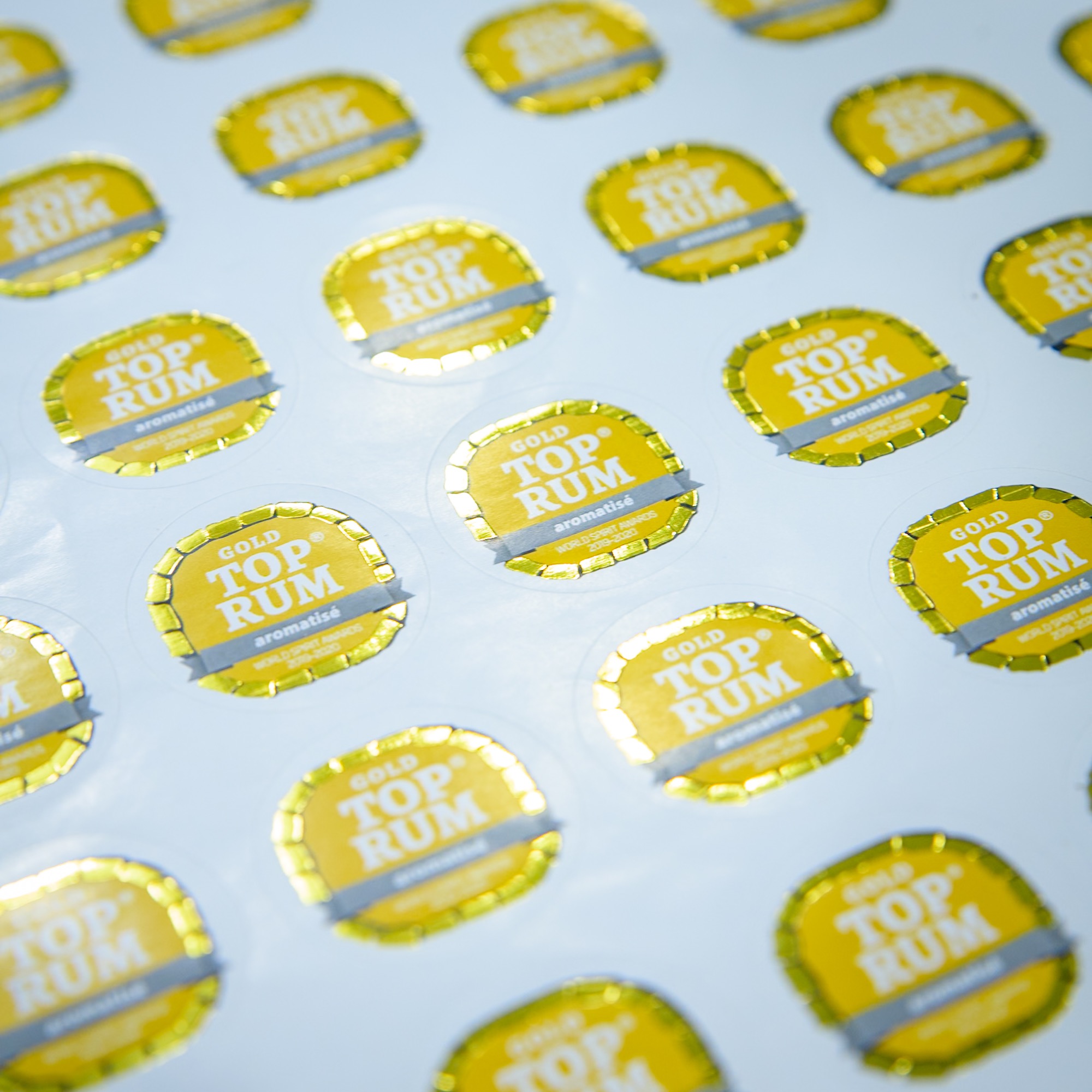
The efforts of this pioneer of artisanal spirits in Ho Chi Minh City were quickly recognized and rewarded, to his own surprise, with a gold medal for his ‘Legacy Edition’ rum at the Top Rhum World Spirits Awards in a blind tasting, the pinnacle of success. Since then, the micro-distillery has continued to grow, and Belami Rhums are now distributed in Vietnam, France, Taiwan, China, and Mexico, and are available in numerous luxury restaurants and hotels.

At the time of writing, their current range consists mainly of two rhums made with single varietal sugarcane from a single plot. The ROC16, which is bottled straight from the still, is a white rhum with high esters and congeners, reaching 52% alcohol and offering notes of water chestnuts, pistachio, black olive and with a slight salinity. The Euphoria XO is an Amber Rhum, aged 6 years in oak barrels, with notes of dry fruits, blond tobacco, leather as well as aniseed and a smoky finish.

