
By Aurélien Foucault, edited by Matt Zuras and first published in October (a Condé Nast publication).
Throughout the ages, sharing a beer in good company has always been an important part of social interactions. But what if beer could do more than just bring joy to those who drink it?
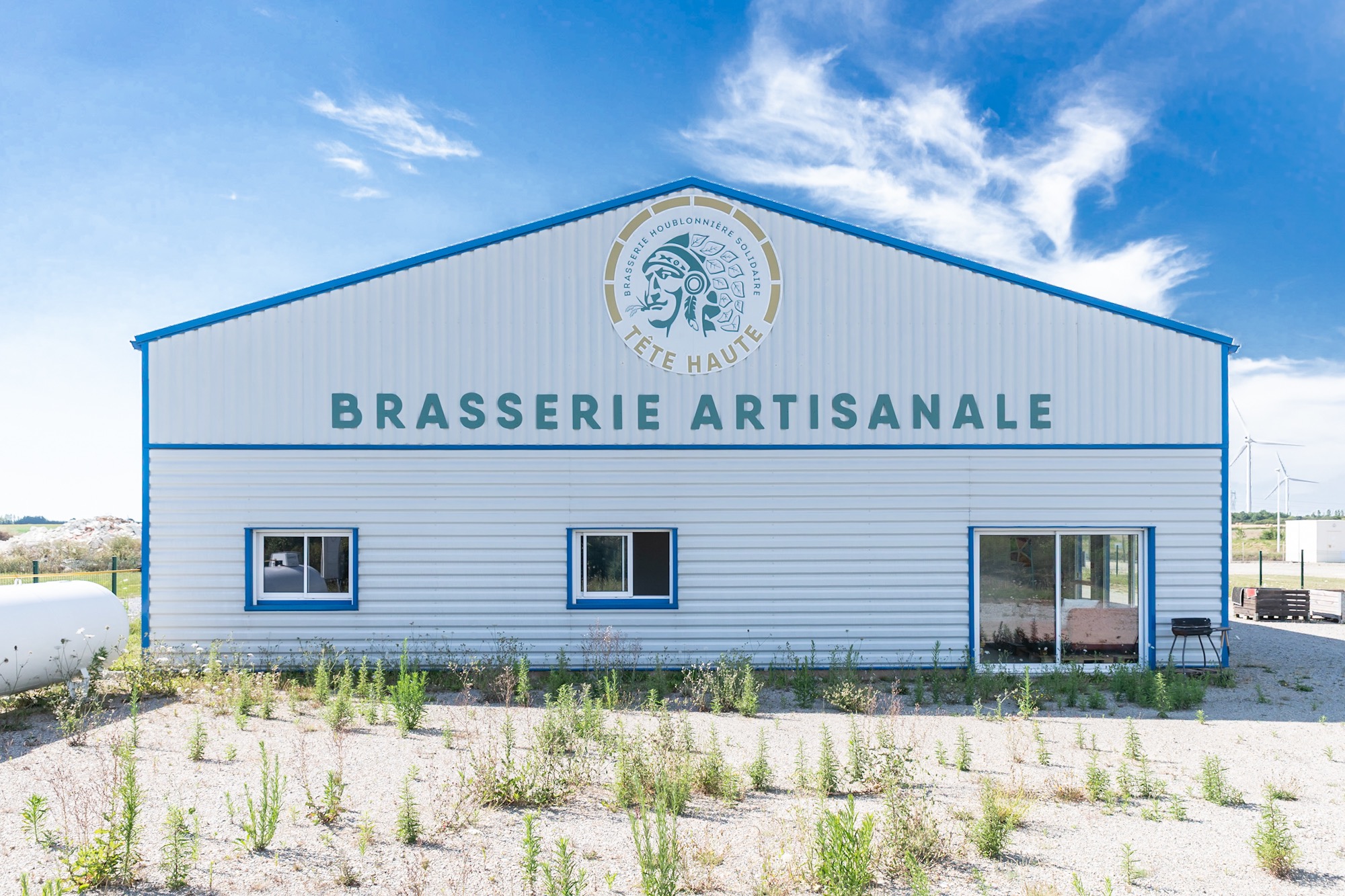
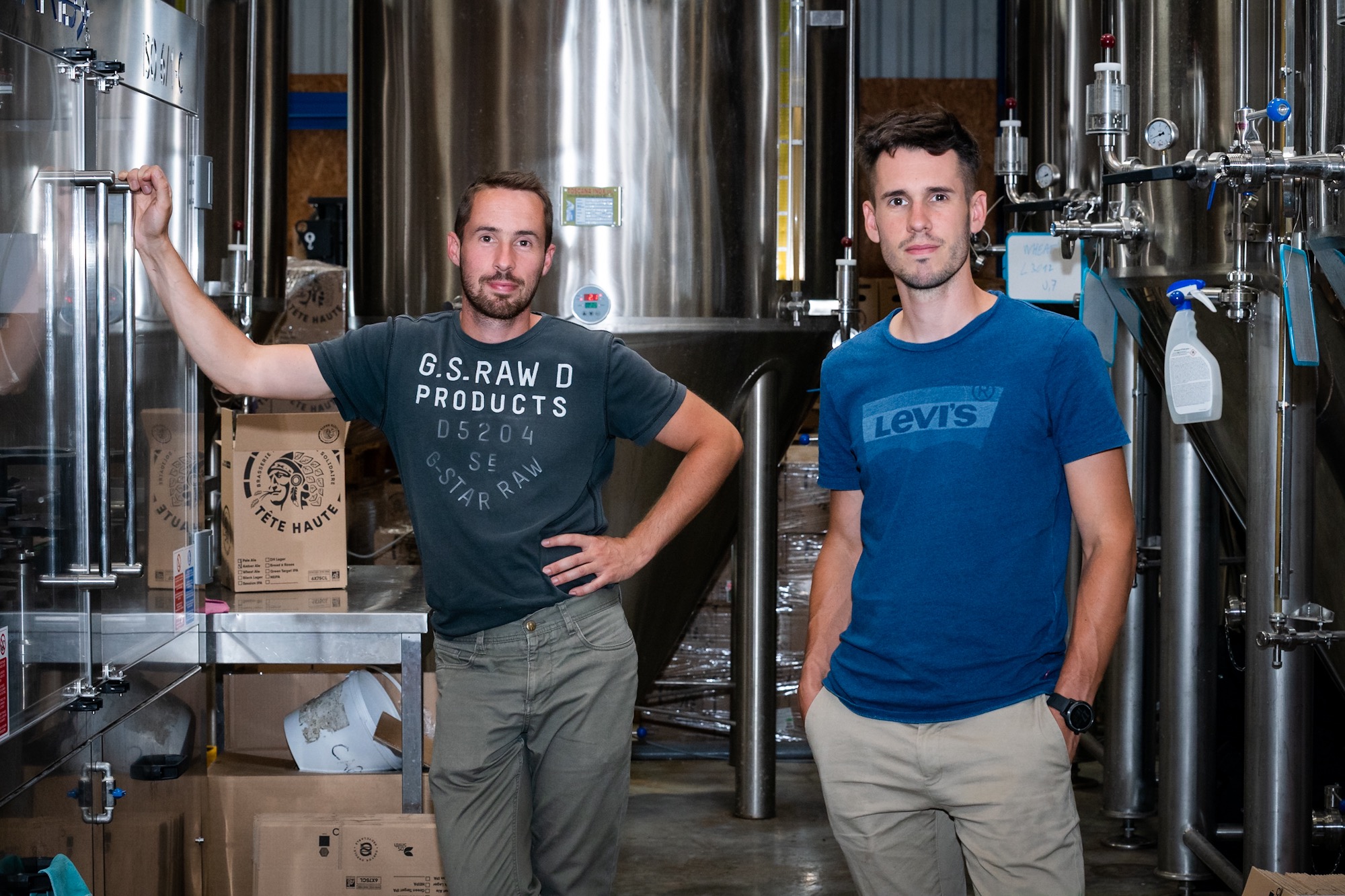
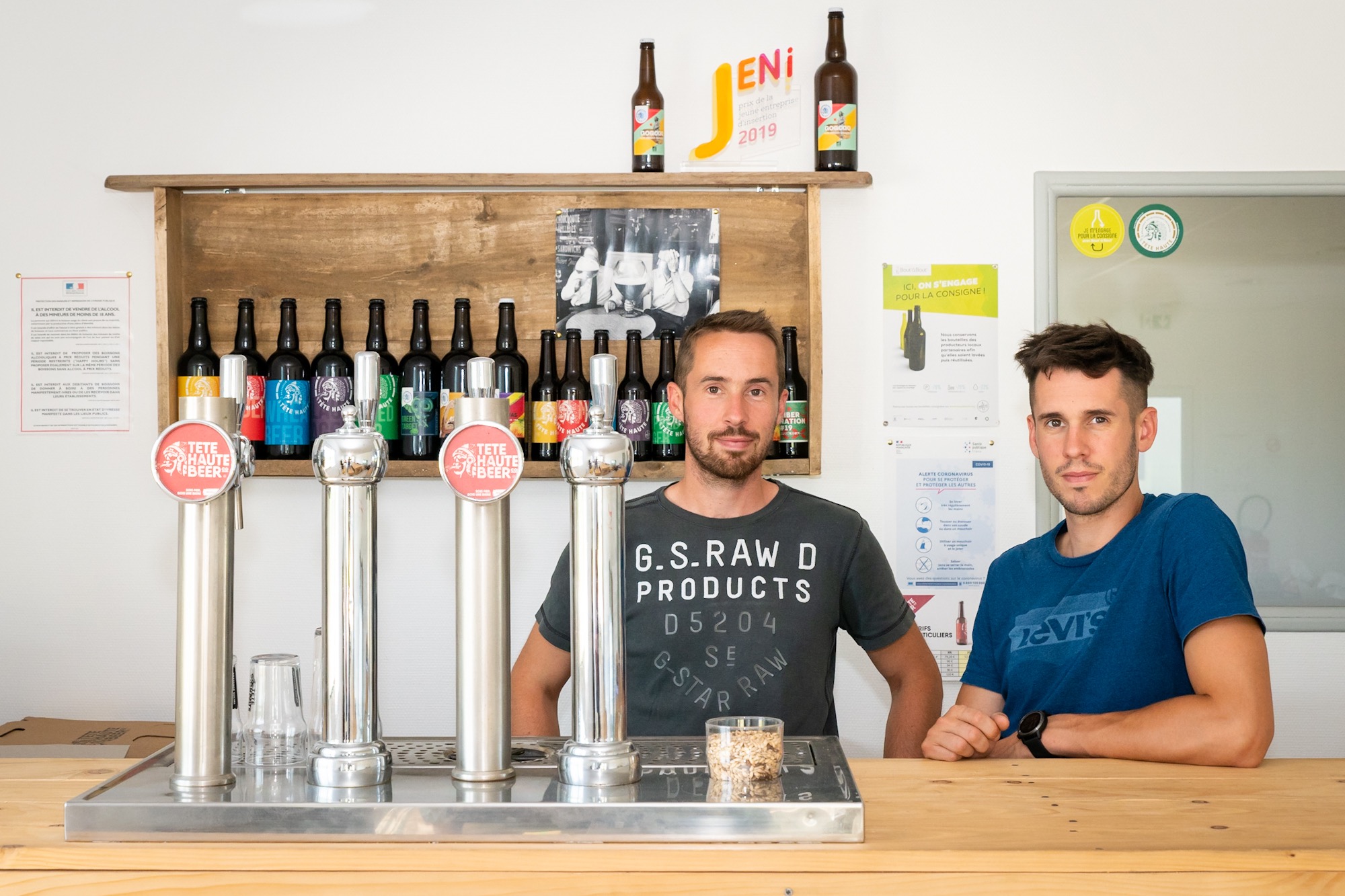
That’s the idea that pushed two French brothers, Fabien and Samuel Marzelière, to found Brasserie Tête Haute — ”a company that serves people, not the other way around.” Located in Couffé, a rural town near Nantes in the west of France, Tête Haute is a hybrid project combining a brewery, an organic hop garden, and a social enterprise aiming at rehabilitating people who have long been out of the job market.
Solidarity
Solidarity is the raison d’être behind the Tête Haute project. Before opening the brewery, Samuel, 33, used to work as a team manager in a construction company and Fabien, 30, was a social worker, working with refugees and children. They thought of ways they could apply their love for crafting a good product while also having a positive impact around them. They also decided that their beers would be organic, that they’d do the best they could to keep things local, support local businesses, and minimize their carbon footprint. But this was not enough — they needed something that would have a direct,measurable impact.
Their solution: building a company that would give a chance to those who have a hard time finding a job anywhere else, rehabilitating them both socially and financially.
In the late 1980s, France put in place a program that supports businesses that help workers regain a more sustainable place in society by lowering the employer’s social security contributions. This program, providing contracts of a maximum of 24 months, is not meant for the employees to stay at the brewery long-term; instead, it is meant as a springboard for them to return to the larger labor market with more skills. The experience is intended to get them up to speed on the current workplace expectations, help them rebuild their confidence, and prepare them to get back to the workforce.
Fabien explains that they keep the equipment at the brewery as simple as possible, as the goal is to make things easy for the employees, who often have little brewing experience. Because the brewery adapts work shifts to its employees’ needs and limitations, production can be slower than in regular companies.
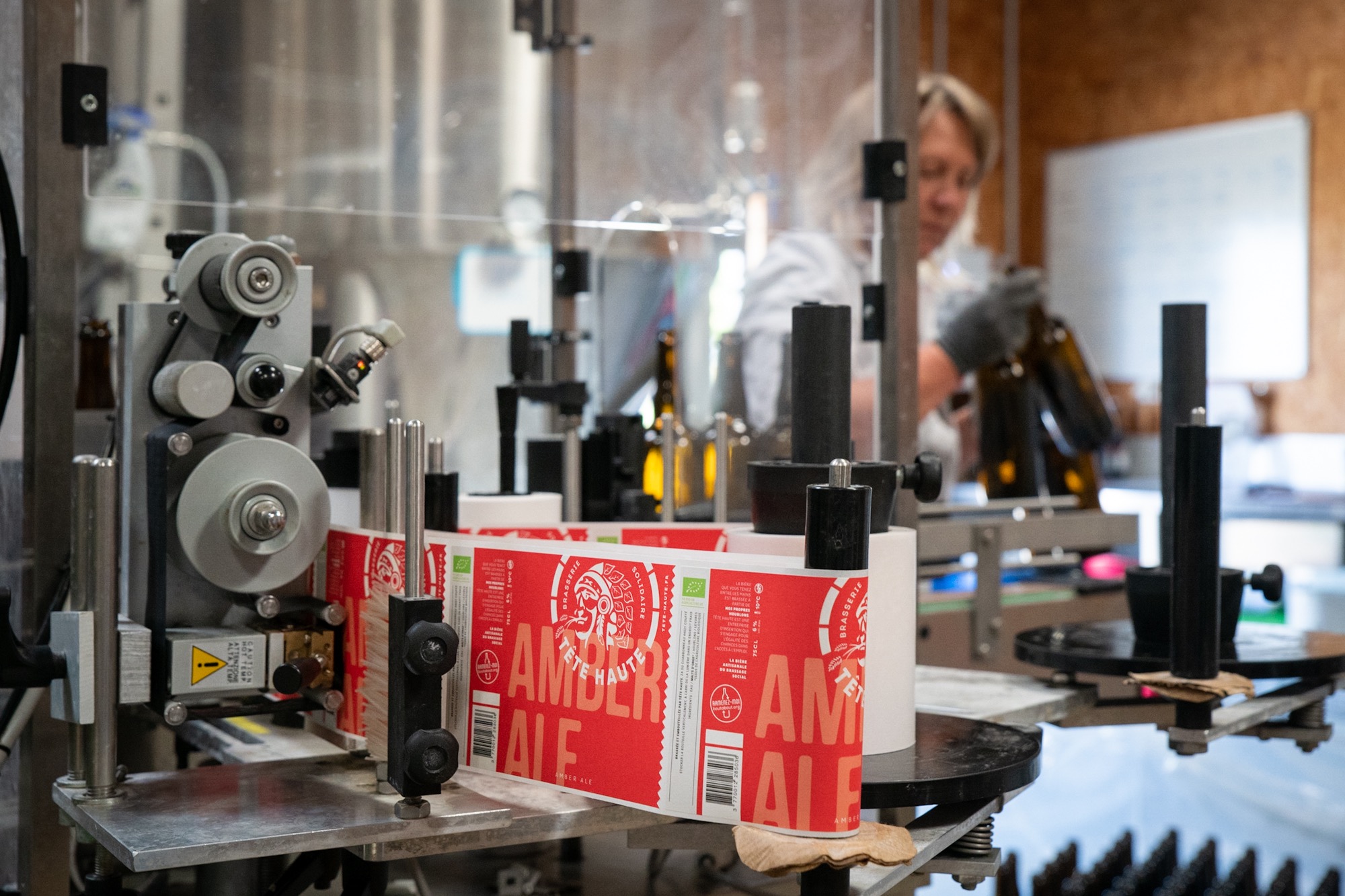
Sara, a fresh recruit at Tête Haute and one half of its two current employees, explains that she was brought onto the program after a devastating burn-out as a caregiver. For years she was not able to keep a job, as she would regularly get panic attacks and could not cope with the stress. She initially joined Tête Haute for a position as a manufacturing aid but after a few days at the brewery, the constant noise started wearing her out. If this had been a regular company, she would probably have quit or been dismissed right away, but not at Tête Haute. By maintaining open communication with Sara, Fabien, and Samuel were able to identify this issue immediately and decided to adjust her workload. Instead of working in production, she now does mostly administrative tasks and sales in the office, but she will still have to do a bit of production every week, in the hope that she will gradually be able to overcome her aversion to stress and noise, as this could help her in her career after the program.
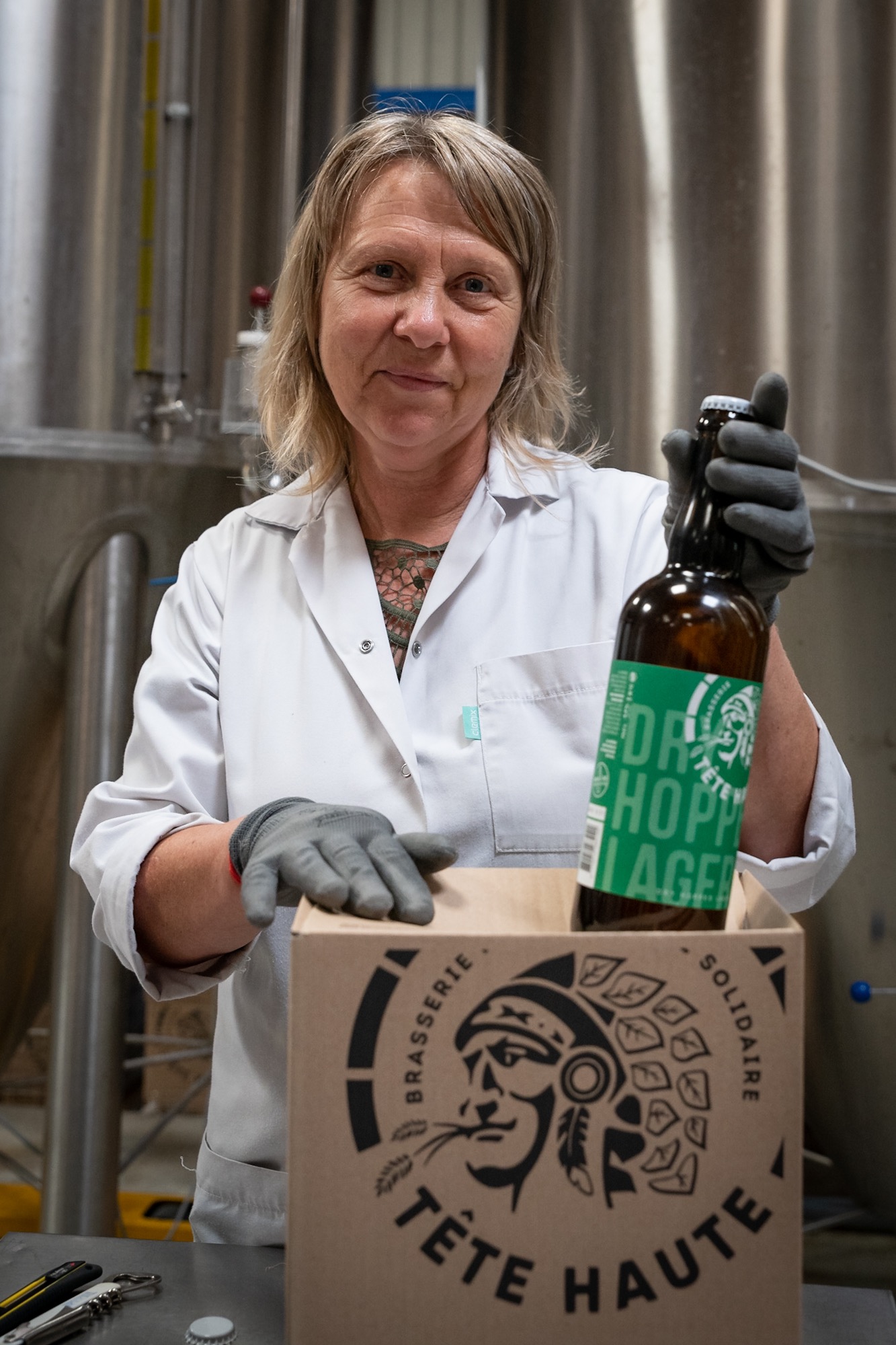
The other employee on the program has quite a success story. Marie was one of the first employees at Tête Haute. She had few qualifications, having worked odd jobs for years. Well into her 50s, there was little hope for her to find a company willing to give her a steady job so close to retirement age. (In France, most workers retire in their 60s.) Although employees are supposed to fly on their own after the two-year period, Marie proved so valuable and demonstrated such talent in training new recruits at the brewery that they offered her to stay as a regular employee at the end of her contract.
When asked what beer they prefer from Tête Haute’s lineup, Sara and Marie both laugh, saying they used to know nothing about craft beer but they are now both trying hard to understand the subtleties of flavor and aroma. Sara picked the Pale Ale as her favorite and Marie said she liked the Dry Hopped lager as it was very refreshing during the summer days.
But what is the success rate of this rehabilitation program? Fabien says it is about 50–50. It has a lot to do with the personalities of those involved and the severity of their social exclusion. However, the brewery is doing well, and they hope to be hiring more employees soon. Because of his background as a social worker, Fabien can directly supervise up to three employees. If they hire more employees, they will have to incorporate a specialized supervisor, dedicated to making sure the team gets all the support they need.
The Hop Garden
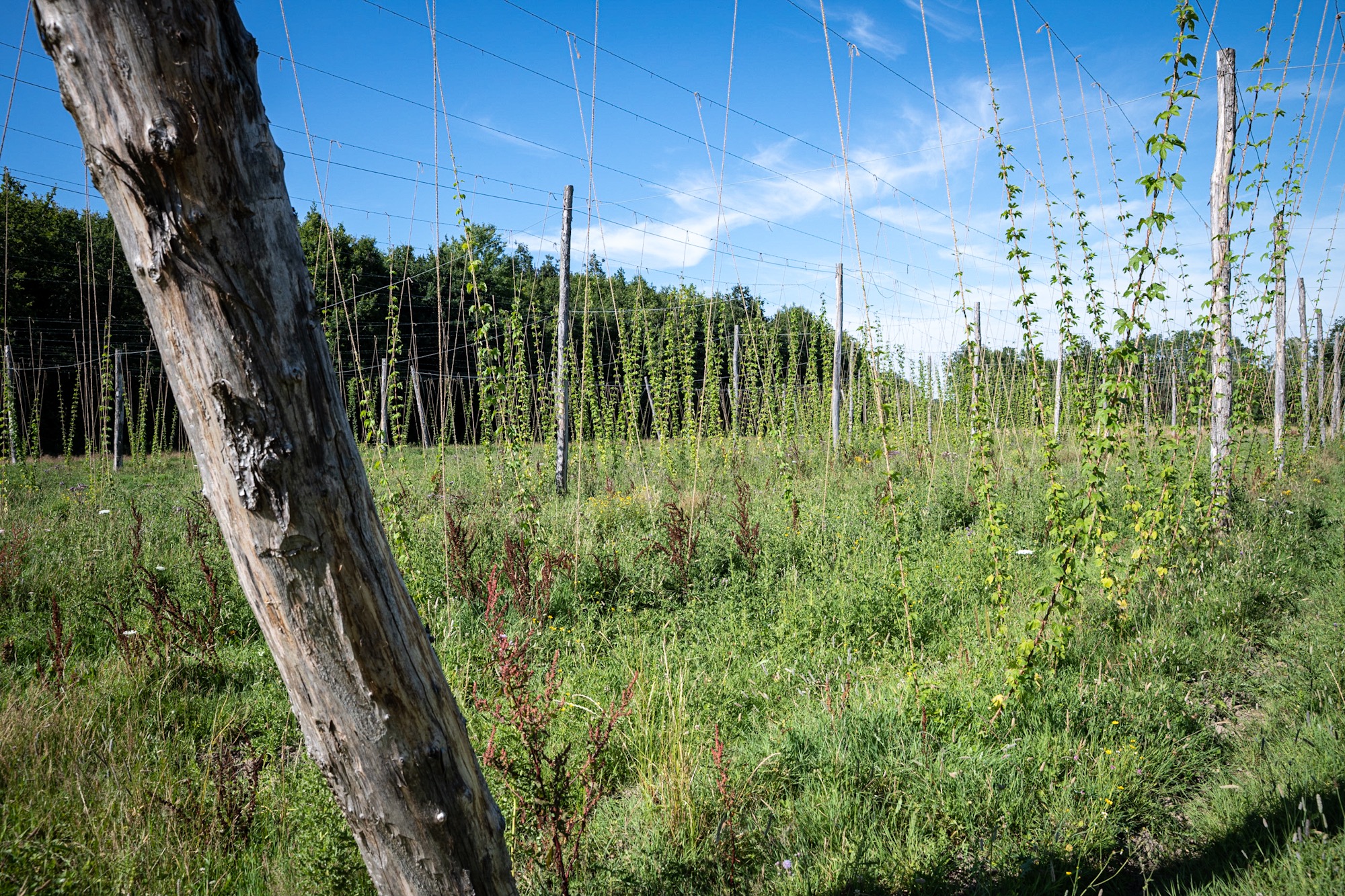
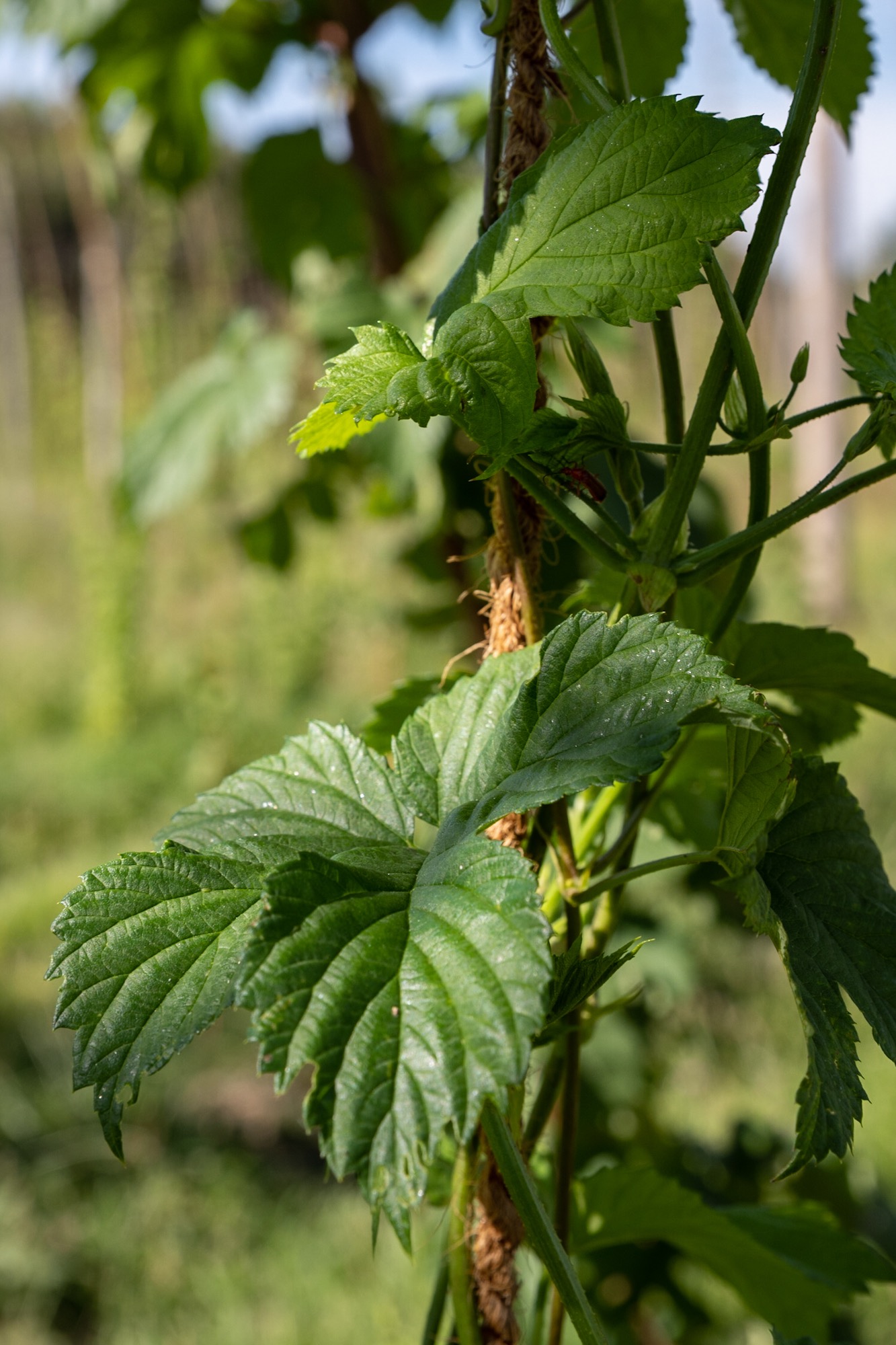
The two brothers grew up helping their winemaker grandparents by working in the fields and caring for the vineyard. The joy of tasting the new wine after the harvest was one of the things that inspired their brewery, and it specifically made them want to grow their own hops in order to keep their connection to farming and working the fields.
Although France, particularly in the East, has its own variety of hops, most craft brewers are interested in the rich diversity of hops coming from the US, Australia, or even Japan for the production of IPAs, whose unwavering rise of popularity worldwide has also hit France in recent years.
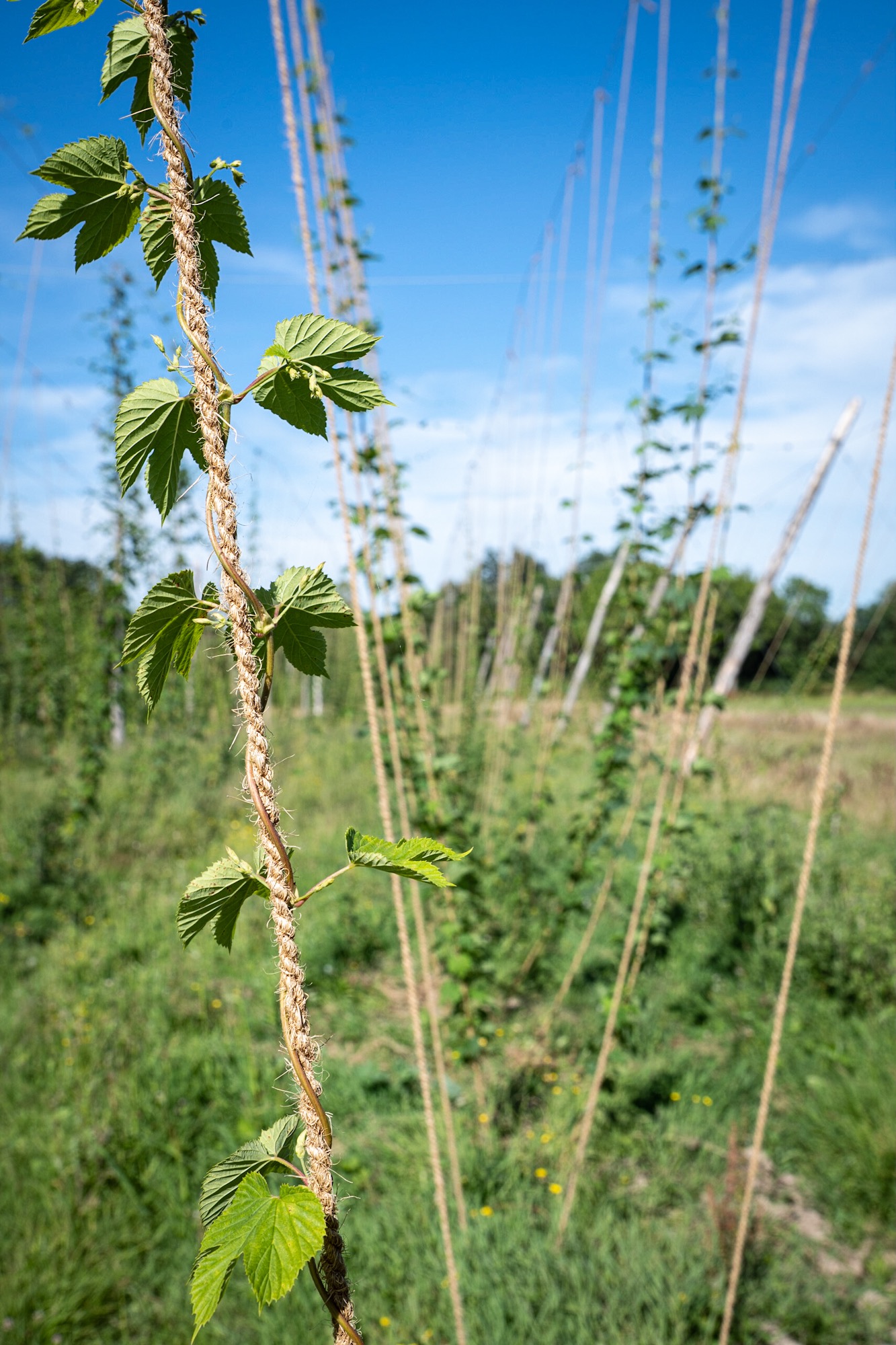
Fabien and Samuel currently grow five hop varieties — Chinook, Cascade, Glacier, Willamette and Perle, all organic. While these hops only account for about half of their brewing needs, they hope to one day cover 90 percent of Tête Haute’s production requirements. They will not limit themselves to their own hop since they will always need more diversity to vary their offer and the flavors of their brew.
The Brewery
Tête Haute officially opened in 2018 but the project started a decade earlier, with the two brothers brewing beer in their kitchen. After expanding to a cellar where they brewed beer for family and friends, they decided to follow their passion by going to train at various breweries. After spending a year and a half at an incubator called Ecossolies, which specializes in projects focused on social issues, the brothers were ready to get their brewery off the ground. The biggest challenge, explains Fabien, came from the fact that their hybrid project — a social endeavor, but also a for-profit company, and a hop farm — was unconventional, something with which the French administration is notoriously bad at dealing.
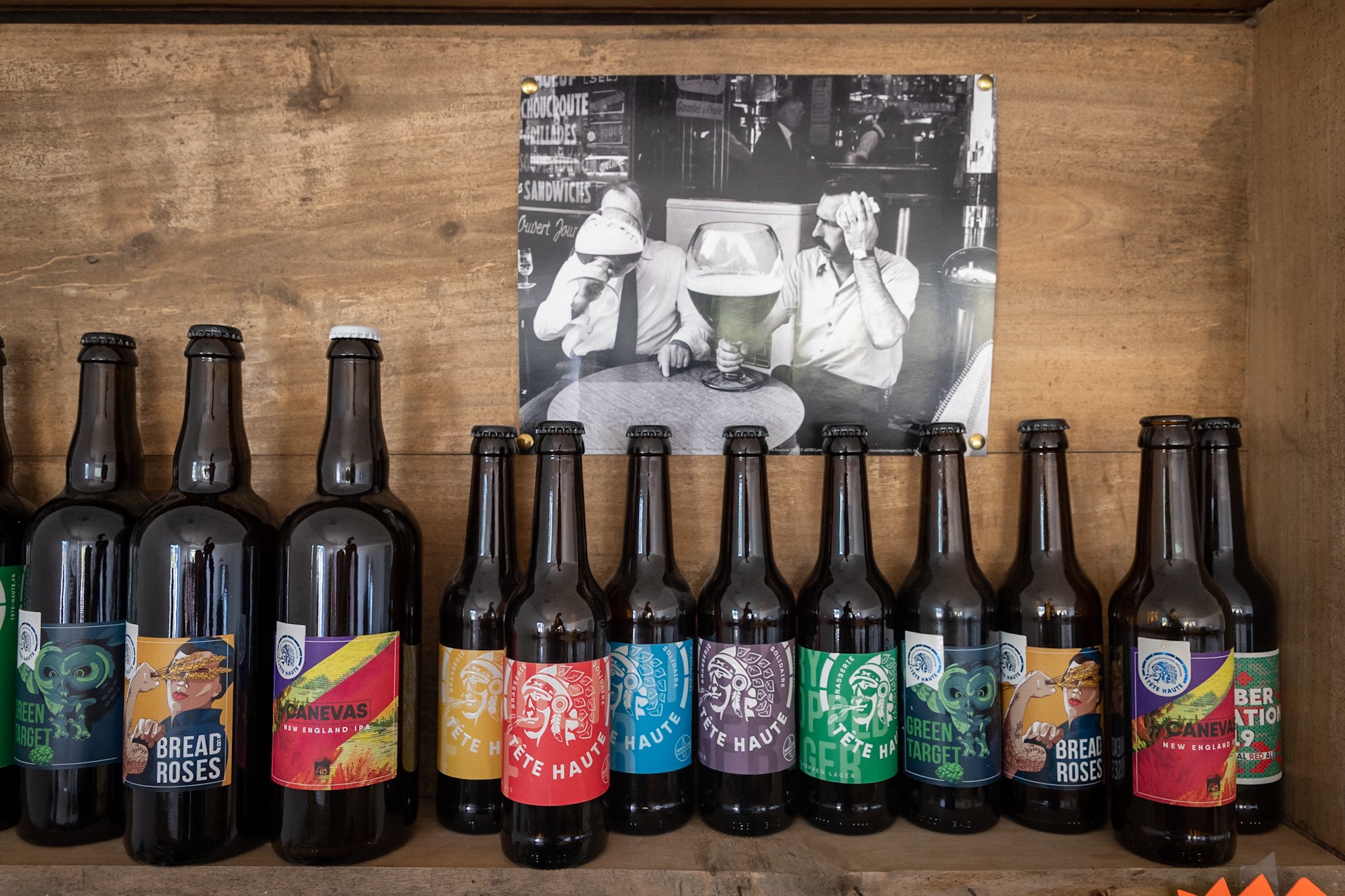
Tête Haute has five flagship beers — a pale ale, wheat ale, amber ale, black lager, and a dry-hopped lager — and a series of specials including an IPA, a NEIPA, and a beer called “Bread & Roses,” a tribute to the feminist slogan made with recycled organic bread and a hint of rose water.
Tête Haute also works with a startup called Bout’ a Bout, which collects empty beer bottles, cleans them locally, and sends them back to the breweries, hence shortening the recycling process and reducing carbon footprint.
Because of their unique way of working and desire to stay local, Tête Haute Brewery doesn’t try to compete with more growth-focused breweries, selling mostly to local shops. And yet, thanks to the word of mouth and the quality of their product, the brewery is operating at full speed and they are already thinking of hiring new recruits soon and possibly expanding. Their next challenge will be to decide how to combine expansion with keeping everything as local and ethical as possible.
No matter what they decide to do, Fabien and Samuel still plan to contribute to improving people’s lives and giving the rest of the world something delicious to drink in the process.
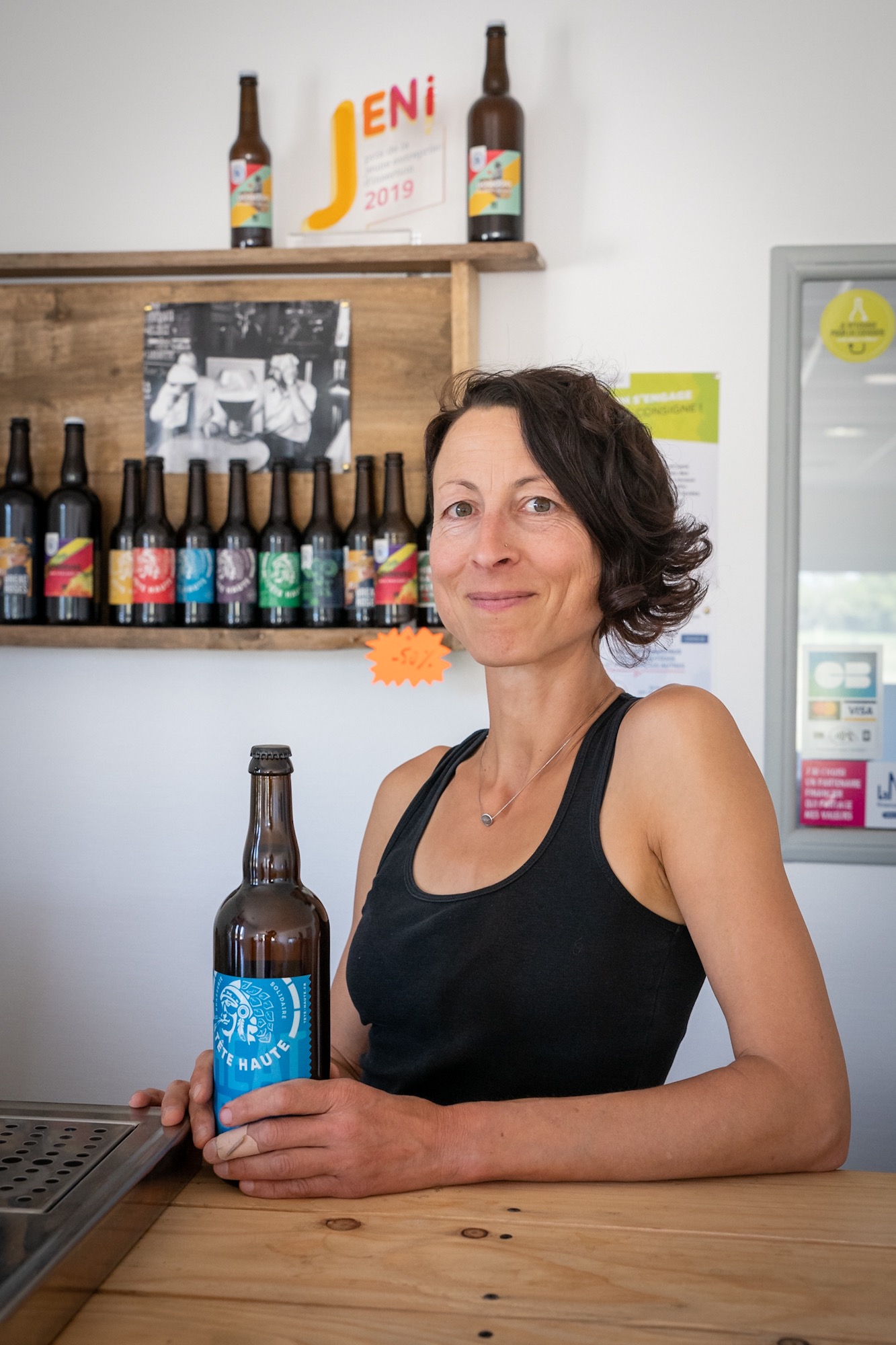
Marie (left), posing with a bottle of her favorite beer, the dry hopped lager; Sara and her favorite, the wheat beer.
Samuel and Fabien Marzelière, founders of Tête Haute.